
It is late in the year, people are coming to stay, and there is not enough time to paint the house. So the question is not how to do everything. It is which single room returns the most for the time available.
Here is the order we would do it in, and why.
Visitors see three spaces, and the bedroom is not one of them
Think about where a guest actually spends time and where they stand still long enough to look at a wall.
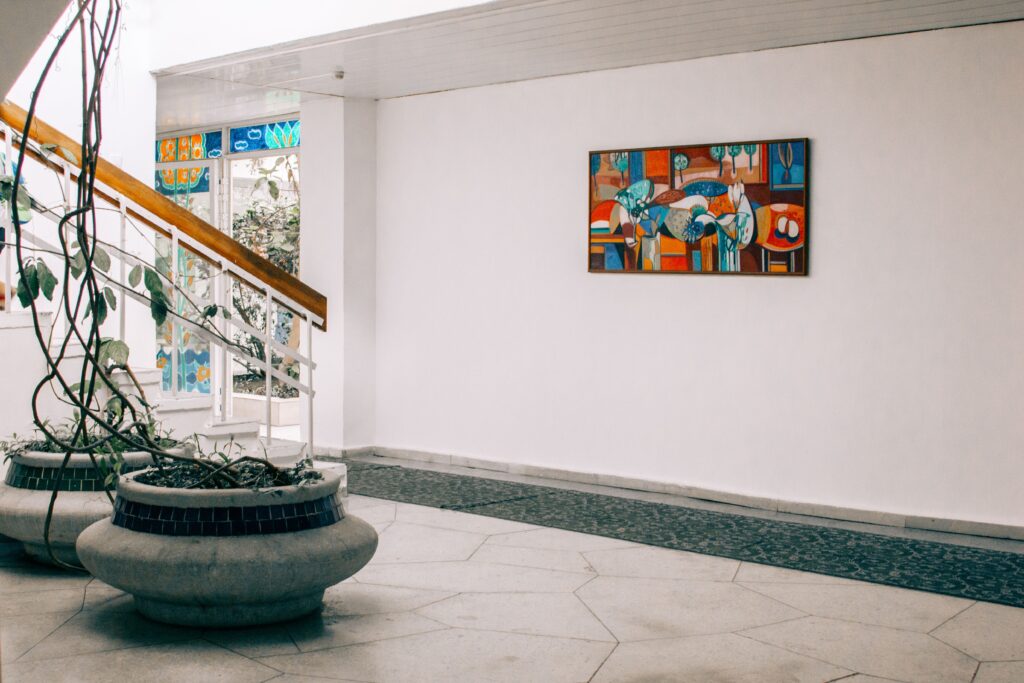
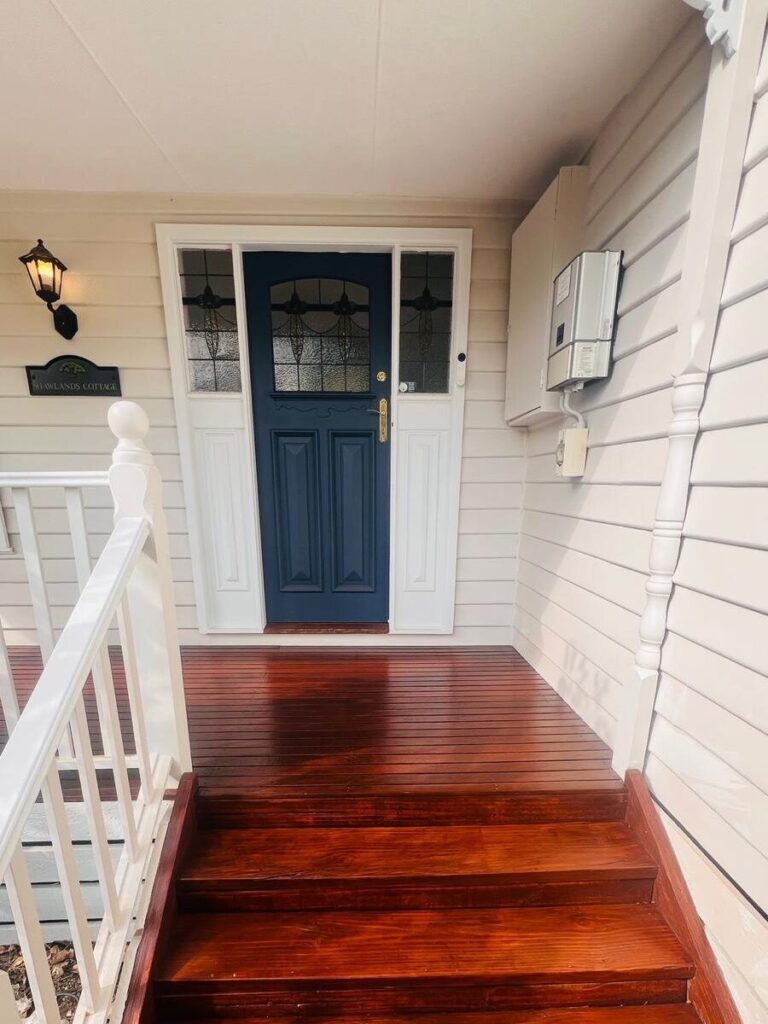
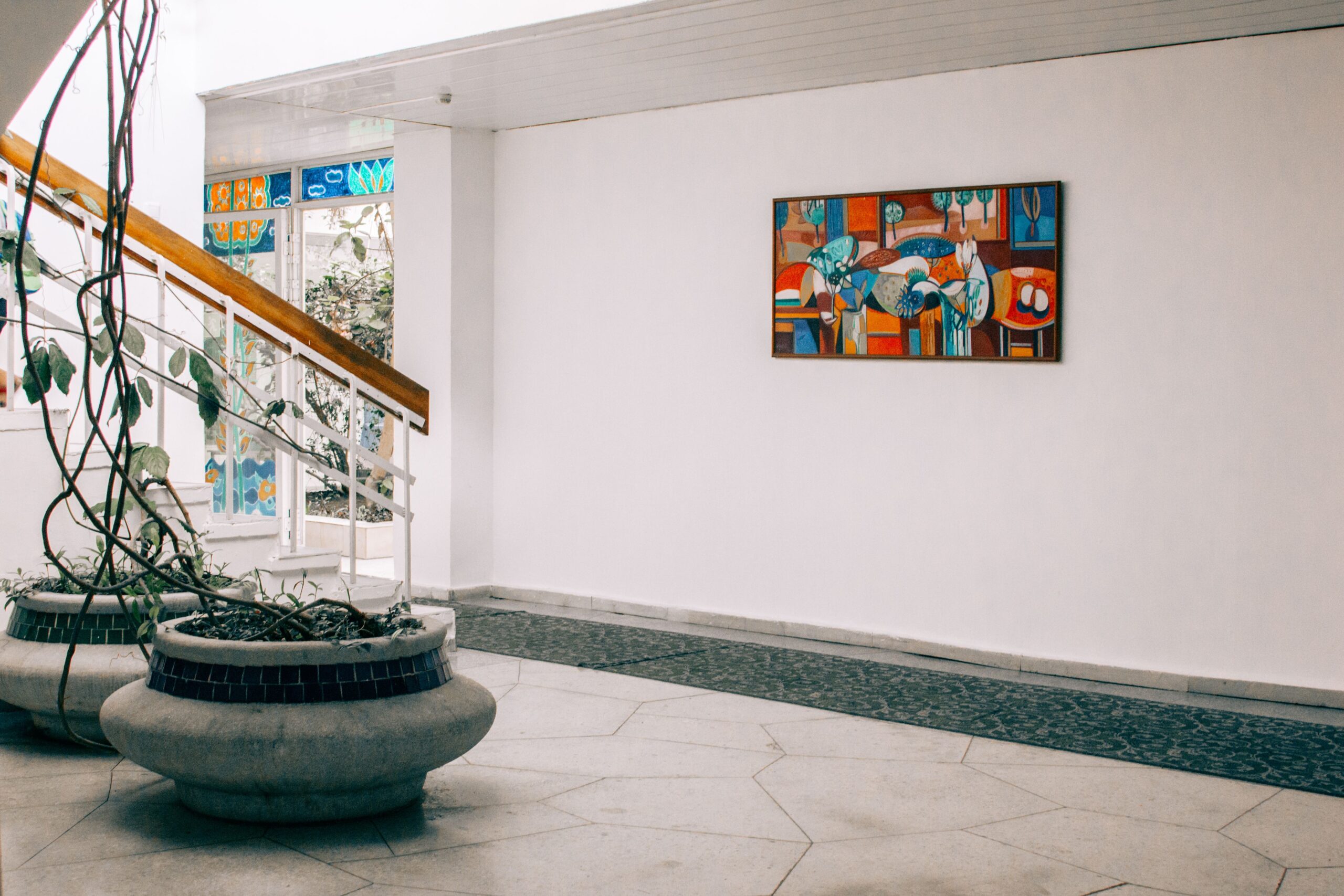
- The entry and hallway. Everyone walks through it, twice, and it is usually the most scuffed surface in the house because it is the narrowest
- Whichever room you eat in. People sit in it for two hours under the lights
- The bathroom guests use. Small, bright, and inspected more closely than any other room in the house
The main bedroom, the study and the kids rooms almost never make the list, however much they need it. If time is short, they wait.
If you can only do one, do the hallway. It is usually the smallest area of wall in the house, it takes the least paint, and it changes the impression of everything that opens off it.
The ceiling is the thing people skip and shouldn’t
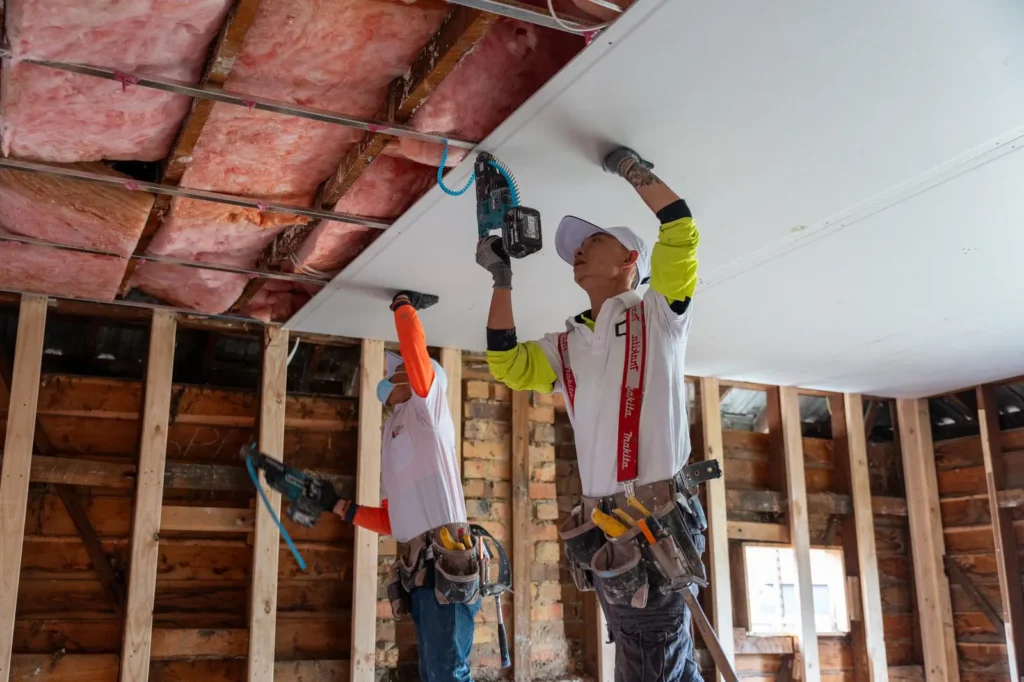
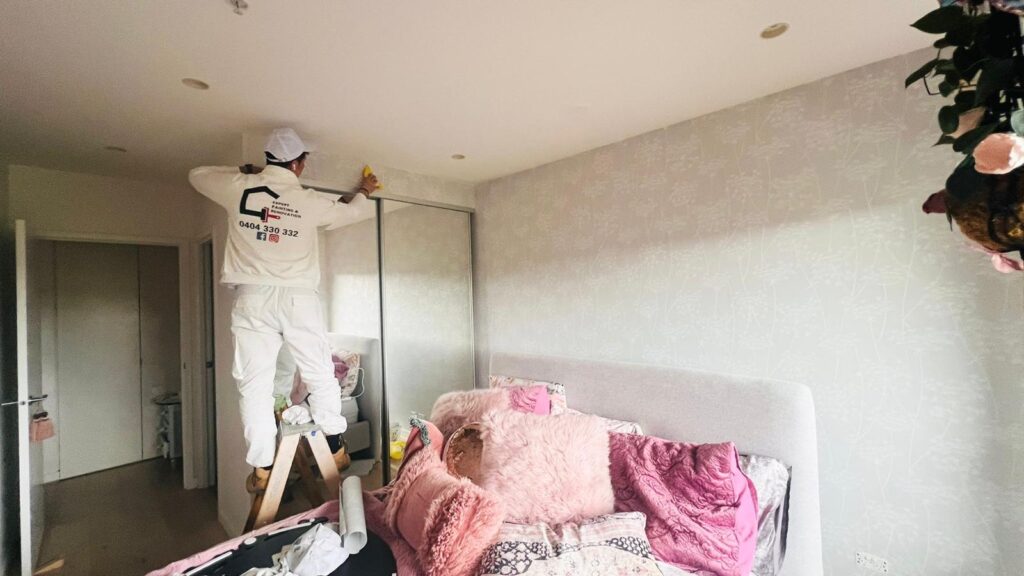
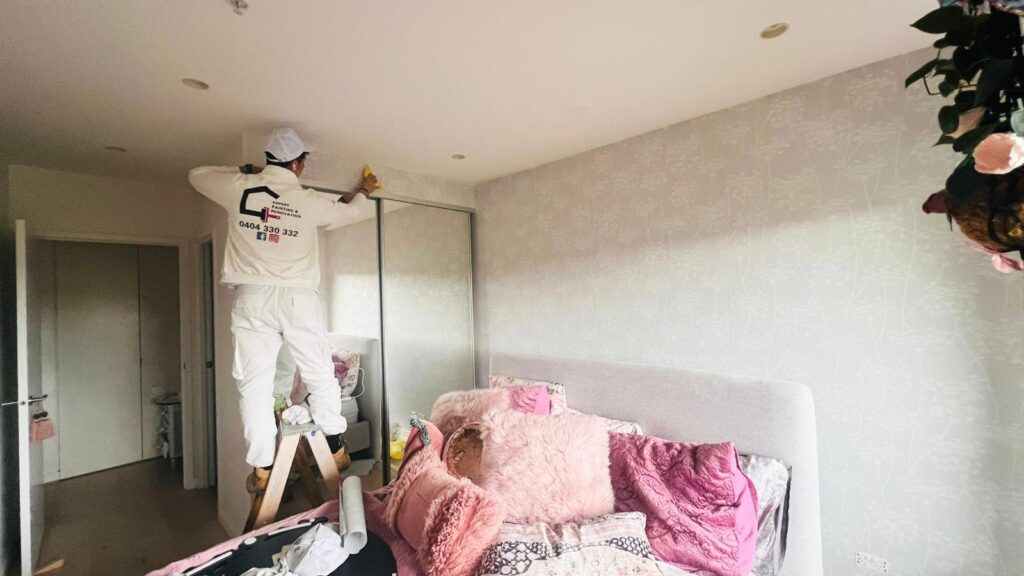
A room with fresh walls and an old ceiling still looks tired, because the ceiling is the largest uninterrupted surface in the room and it yellows evenly, so you stop noticing until something white is put next to it.
Painting the ceiling at the same time as the walls costs far less than doing it later, because the room only has to be masked, covered and set up once. Doing it afterwards means repeating all of that and cutting in against walls you have just finished.
If the budget only covers one surface in a living room, the honest answer is often the ceiling rather than the walls.
Small jobs with disproportionate effect
These are quick, cheap and they read as a much bigger job than they are:
- Skirtings, architraves and door frames in a fresh gloss or satin. Scuffed white trim against clean walls is what makes a room look unfinished, and our notes on painting skirtings and trims cover the preparation
- Doors, both faces and the edges. Hands have been on them for years
- The inside of the front door, which almost nobody paints and everybody sees
- Kitchen cabinet doors, if the layout is sound and only the finish is dated. See painting kitchen cabinets for what that actually involves
- Making good the patches: filled picture hooks, corner damage, the scrape behind a door handle
What cannot be done well in two weeks
This is the part worth being blunt about, because somebody will promise it.
- A full exterior. It needs several consecutive dry days and the finish needs to cure, and in Melbourne in November you cannot guarantee the weather window. Our guide to painting in hot weather explains why rushing it in high heat causes its own problems
- Anything that needs plaster or render repair first. Patching compound and new render have to dry properly before they are coated, and that is days, not hours
- A strong colour going over white, or white going over a strong colour. That is three coats, sometimes four, and each one needs its recoat time
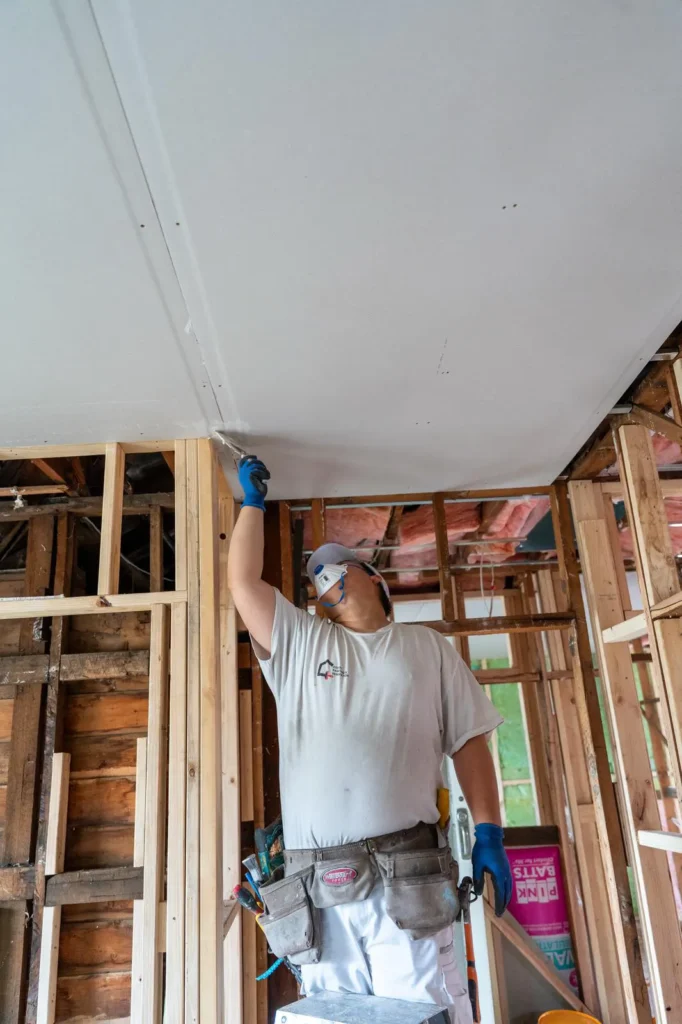
- New plasterboard, which needs a sealer coat before anything else. We cover the sequence in painting new plasterboard
- A whole house interior. It can be done, but it has to be booked, and by now the good crews are full. Our post on Melbourne painting lead times before Christmas sets out the actual booking deadlines
How long one room really takes
For a standard room in sound condition, walls and ceiling, two coats:
- Setup, protection and preparation: most of the first day
- First coat and second coat: the second day, with the recoat interval between them
- Furniture back and room usable: the following day
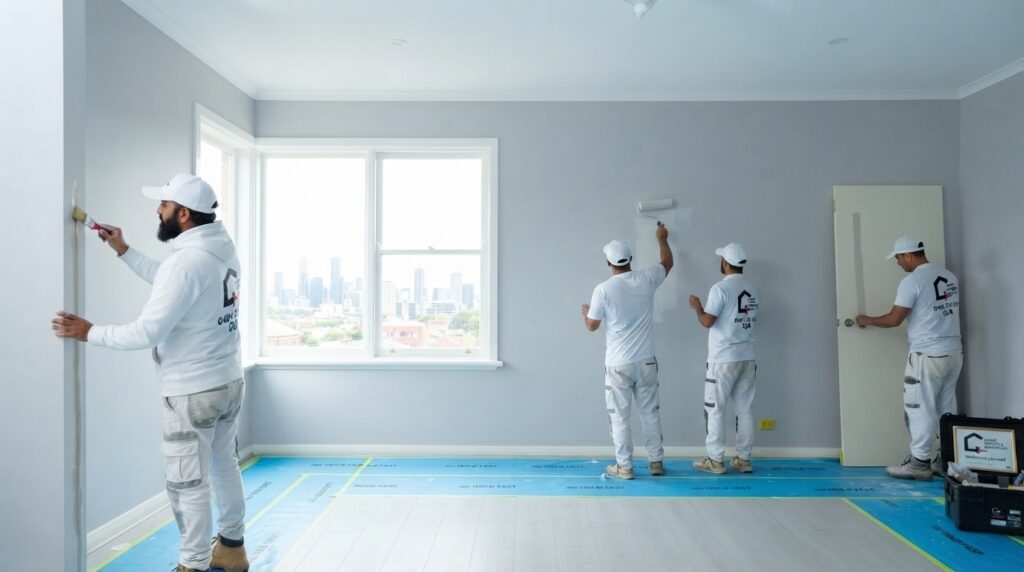
So a single room is realistically three days from start to being lived in again, not one. Two or three rooms done together is more efficient per room, because the setup is shared.
There is one more thing worth planning for. Even low-odour water-based paints leave a smell for a few days in a closed room. If someone is sleeping in there, finish at least four or five days before they arrive and leave the window open. That is the real deadline, not the paint date.
A rule for choosing between two rooms
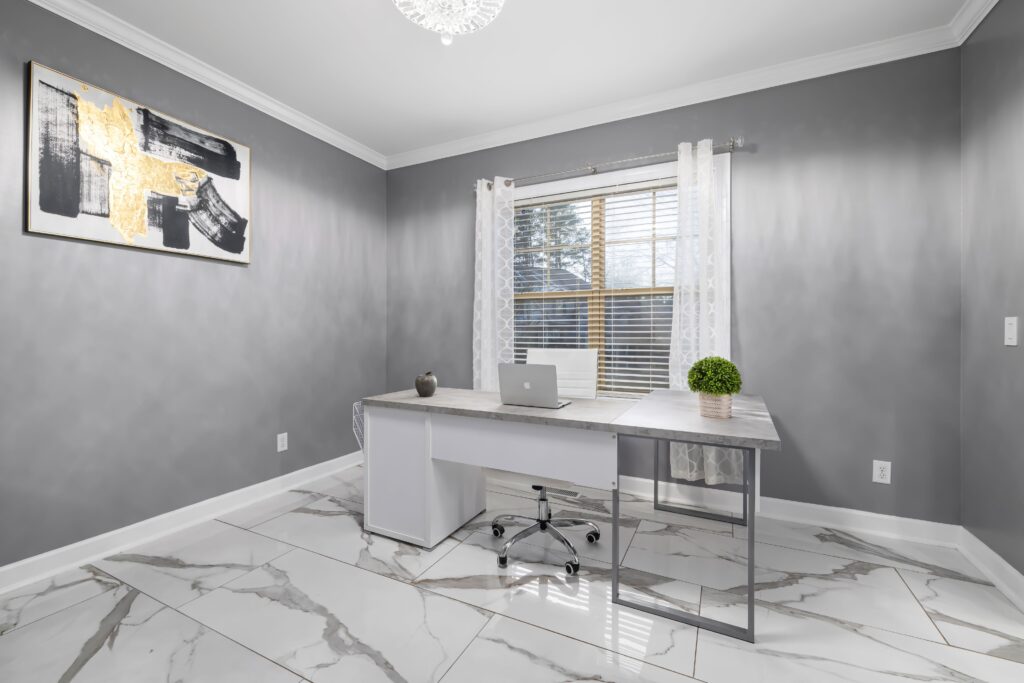
When it genuinely comes down to two and you cannot decide, pick the one with the most natural light.
Light shows up everything: the yellowing, the patches, the scuffs along the skirting. A dim room hides its condition and a bright one advertises it, so the bright room gives back more for the same money.
Keep the leftovers, properly
Before the crew leaves, get the paint details written down: brand, product, colour name and code, and the sheen, for every surface in the room. Keep a labelled container of each.
Touch-ups a year later only work if the paint matches, and a colour mixed again from the same code in a different batch often does not quite. Five minutes at handover saves repainting a whole wall later.
What we can realistically take on now
- Single rooms and small multi-room interiors
- Hallways, entries and stairwells
- Ceilings only
- Trim, door and cabinet work
- Patch and make-good before guests arrive
We are based in Richmond and work across Melbourne, the bayside suburbs and out to the Peninsula and Surf Coast.
Call 0404 330 332 and tell us the date people arrive. We will tell you honestly what fits before then and what does not.
📍 Our Service Areas Across Melbourne, the Mornington Peninsula, Surf Coast & Phillip Island
Melbourne & Bayside
- Expert Painting and Renovation in Richmond
- Expert Painting and Renovation in St Kilda
- Expert Painting and Renovation in South Yarra
- Expert Painting and Renovation in Malvern
- Expert Painting and Renovation in Hawthorn
- Expert Painting and Renovation in Kew
- Expert Painting and Renovation in Balwyn
- Expert Painting and Renovation in Mount Waverley
- Expert Painting and Renovation in Ringwood
- Expert Painting and Renovation in Doncaster
- Expert Painting and Renovation in Hampton
- Expert Painting and Renovation in Frankston
- Expert Painting and Renovation in Mount Eliza
- Expert Painting and Renovation in Mornington
- Expert Painting and Renovation in Mount Martha
- Expert Painting and Renovation in Rosebud
- Expert Painting and Renovation in Sorrento
Phillip Island & Bass Coast
- Expert Painting and Renovation in Flinders
- Expert Painting and Renovation in Somers
- Expert Painting and Renovation in San Remo
- Expert Painting and Renovation in Cape Woolamai
- Expert Painting and Renovation in Cowes
- Expert Painting and Renovation in Coronet Bay
- Expert Painting and Renovation in Tootgarook
- Expert Painting and Renovation in Rye
- Expert Painting and Renovation in Blairgowrie
- Expert Painting and Renovation in Portsea
- Expert Painting and Renovation in Inverloch
- Expert Painting and Renovation in Kilcunda
- Expert Painting and Renovation in Ventnor
- Expert Painting and Renovation in Newhaven
Surf Coast & Bellarine Peninsula
- Expert Painting and Renovation in Geelong
- Expert Painting and Renovation in Torquay
- Expert Painting and Renovation in Ocean Grove
- Expert Painting and Renovation in Barwon Heads
- Expert Painting and Renovation in Anglesea
- Expert Painting and Renovation in Lorne
- Expert Painting and Renovation in Apollo Bay