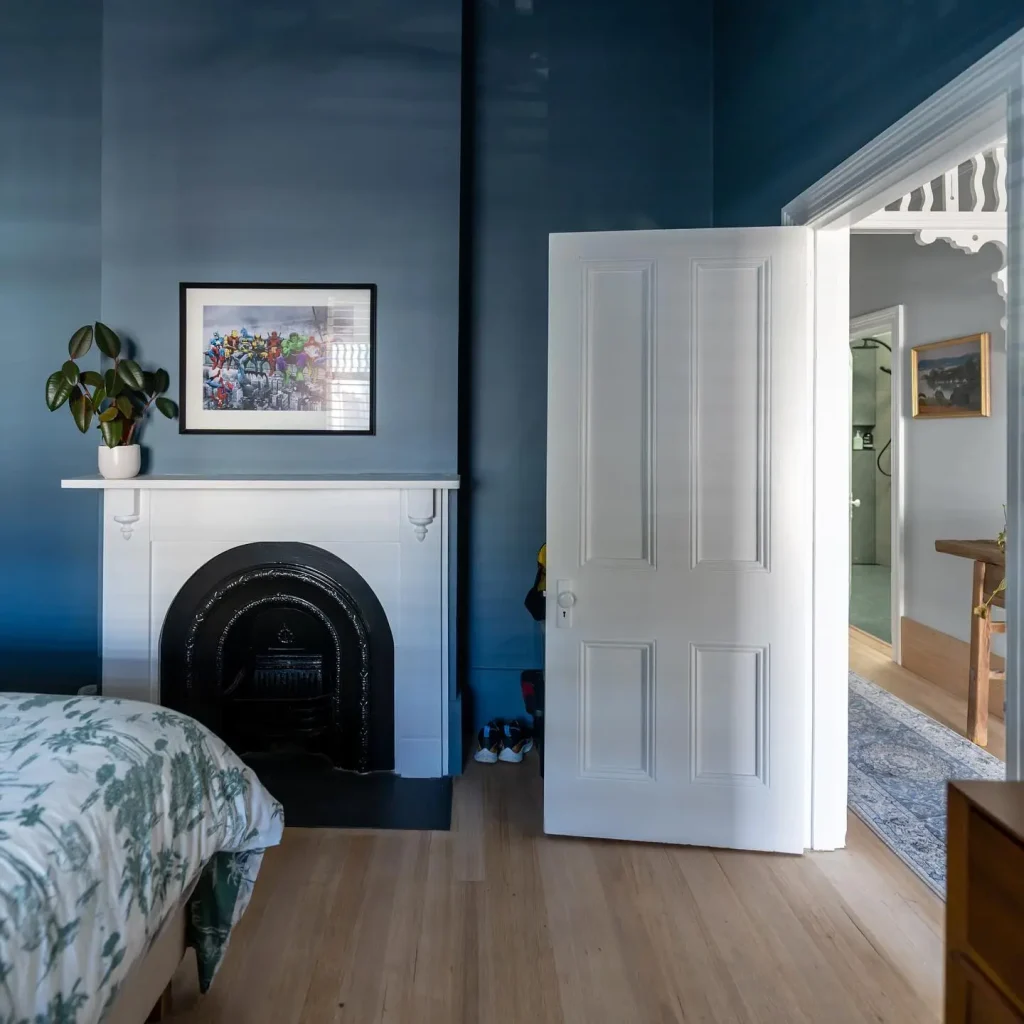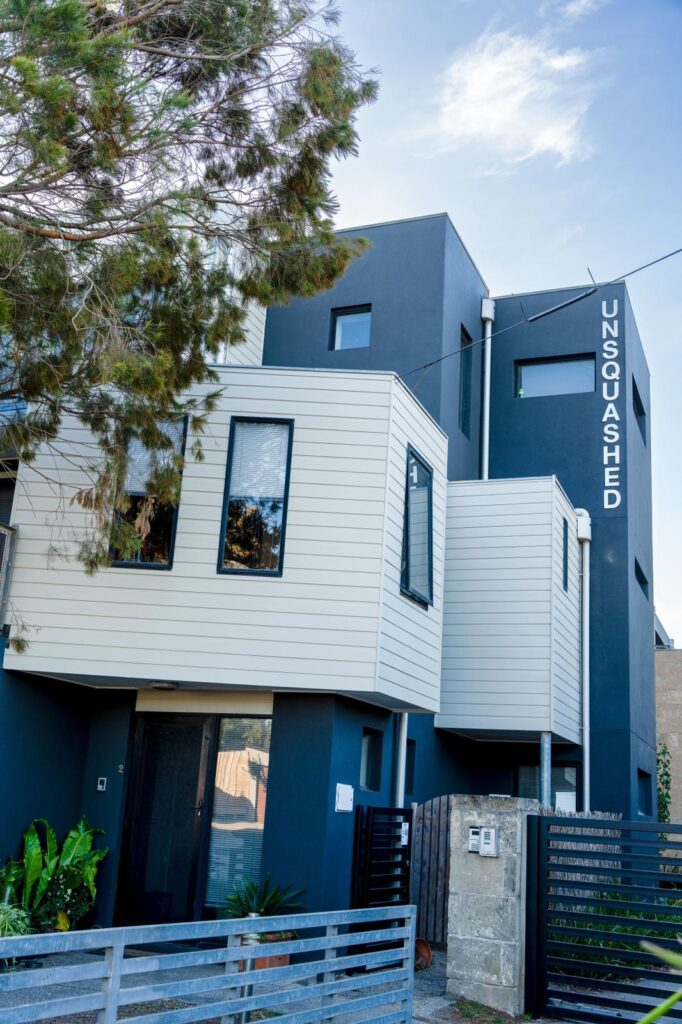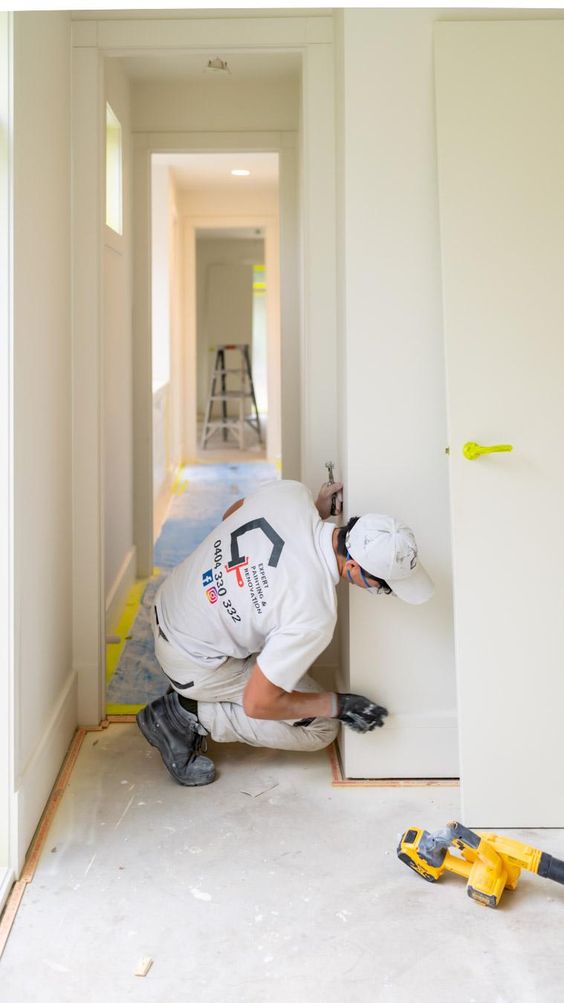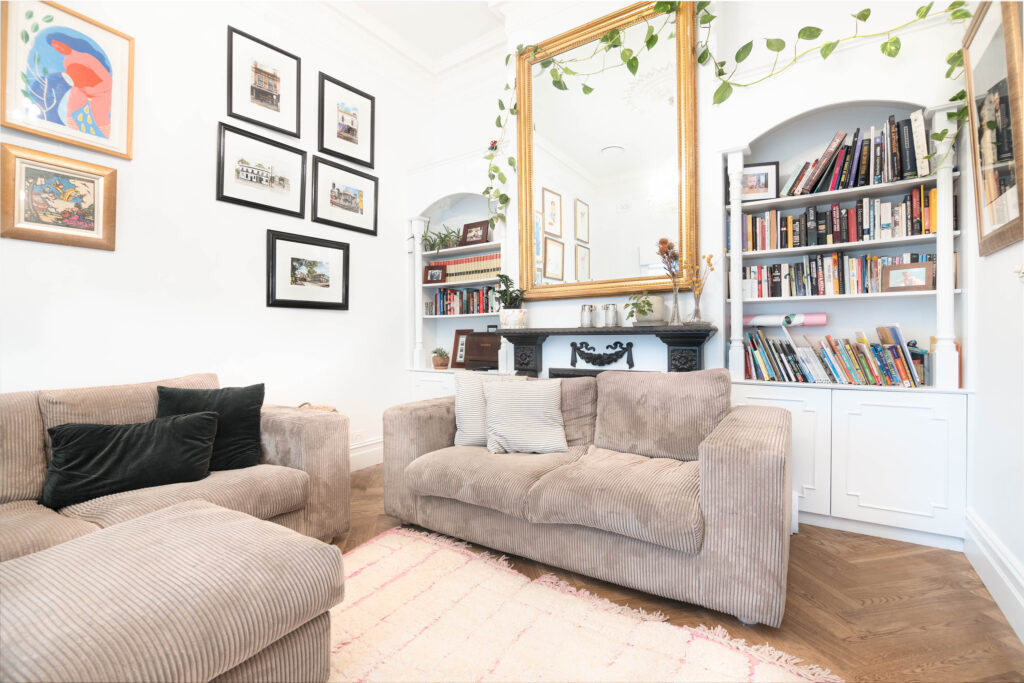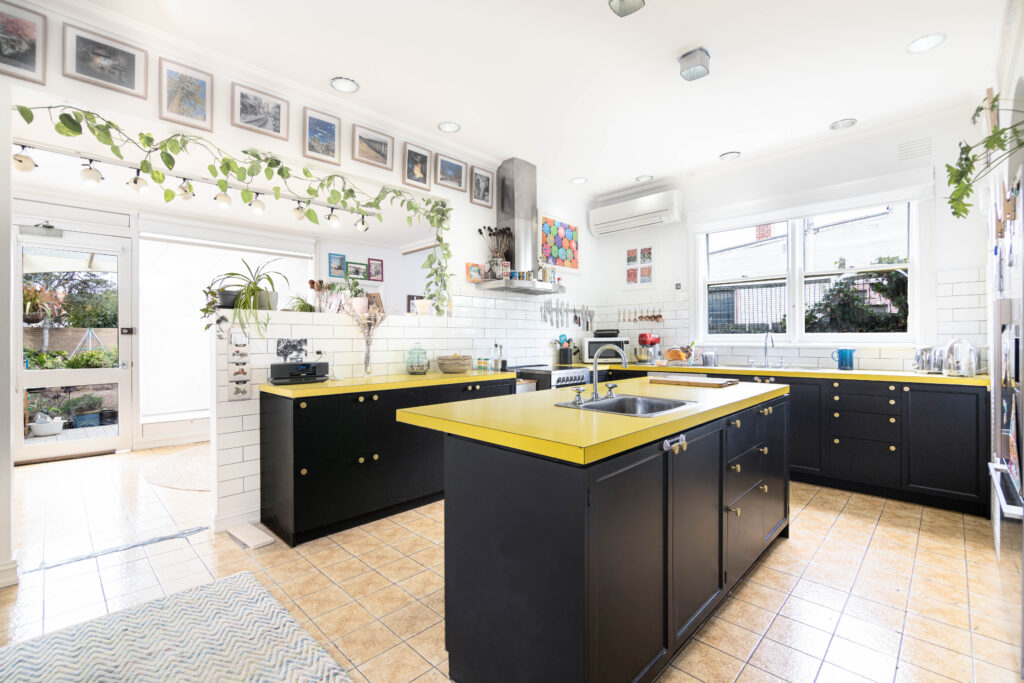


Whether a room is north or south facing changes how every colour in it looks, and it is the reason the white that was perfect in the living room reads grey and dingy in the back bedroom. Same tin, same wall colour, completely different result.
Here is what the light is actually doing, and how to choose around it.
North or south facing: what each aspect gives you
We are in the southern hemisphere, so the sun tracks across the northern sky. That reverses everything written in British and American decorating advice, which is most of what comes up online.
- North-facing rooms get direct sun for most of the day. The light is warm, bright and generous. This is the best natural light in an Australian house.
- South-facing rooms get no direct sun at all. The light is indirect, cool-toned and very consistent through the day — flat, blue-grey, and never changing much.
- East-facing rooms get warm direct light in the morning, then cool indirect light from midday onward.
- West-facing rooms are cool and flat in the morning, then take strong warm light from mid-afternoon until sunset.
A north or south facing room is therefore not just brighter or darker. The colour temperature of the light is different, and that is what changes your paint.
What warm and cool light do to colour
Light does not just illuminate a colour, it adds to it.
Warm northern light amplifies the yellow and red in a paint. A soft warm white glows. A beige can tip orange. A grey with a warm undertone reads as a pleasant putty.
Cool southern light amplifies blue and green and strips out warmth. The same warm white now looks slightly yellow and dirty, because there is no warm light to carry it. A cool grey goes colder and can read almost blue.
This is the single most common colour complaint we hear, and it is not a mistake in the paint. It is the room.
The undertone problem
Every white and every grey has an undertone — a trace of yellow, red, green or blue underneath. In a paint chip under shop lighting you usually cannot see it. On four walls in real light you see nothing else.
The working rule:
- In a north or west room, which already has warm light, a warm white can become too yellow. A neutral or slightly cool white balances it.
- In a south or east room, a cool white turns cold and sterile. A white with a soft warm undertone puts back the warmth the room never gets.
That is the opposite of what people instinctively do, which is to pick a cool crisp white for a dark room to brighten it. It makes the room read colder, not lighter.
Dark colours and which rooms take them
Light reflectance value tells you how much light a colour returns. A deep charcoal might sit at 10, a soft white at 85.
A south-facing room with a low-LRV colour has very little light to work with, and the result can feel closed in. It can be done beautifully — a deliberately dark, enveloping study or dining room — but it should be a decision rather than a surprise.
North-facing rooms carry dark colours far more easily, because there is enough direct light through the day to keep them from flattening out.
The light you did not think about
Colour bounces. Whatever sits outside the window is contributing.
- A lawn or large tree throws green into the room, which turns warm whites slightly sickly.
- A red brick wall next door, or a terracotta roof opposite, pushes warm pink in.
- A large deck or pale paving reflects a lot of light upward onto the ceiling.
- A neighbouring rendered wall close to a window can dominate the light in a small room entirely.
This matters most in narrow inner-suburban houses where the side windows face a wall a couple of metres away.
Night-time is a different room
Every colour decision made in daylight gets viewed under artificial light for half its life.
Warm LED lighting around 2700K pushes colour the same way northern light does. Cool white globes at 4000K and above do what southern light does. A colour chosen in a bright north room at midday and then lit with cool globes at night is effectively two different colours.
Worth checking your samples at night, under the lights you actually have, before committing.
How to test it properly
Paint sample boards rather than patches on the wall, two coats, A3 or bigger. Patches on a wall sit against the old colour and read wrong.
Then move each board around the room and look at it in the morning, at midday and in the late afternoon. Stand it against the wall it will actually go on, including the one opposite the window, which is always the lightest.
In a north or south facing room the difference between a board at 9am and 4pm will tell you more than any amount of reading.
We will put boards up for you
We bring samples and put them on your actual walls before anything is ordered, because a room tells you what it wants far faster than a fan deck does. Call 0404 330 332.
📍 Our Service Areas Across Melbourne, the Mornington Peninsula, Surf Coast & Phillip Island
Melbourne & Bayside
- Expert Painting and Renovation in Richmond
- Expert Painting and Renovation in St Kilda
- Expert Painting and Renovation in South Yarra
- Expert Painting and Renovation in Malvern
- Expert Painting and Renovation in Hawthorn
- Expert Painting and Renovation in Kew
- Expert Painting and Renovation in Balwyn
- Expert Painting and Renovation in Mount Waverley
- Expert Painting and Renovation in Ringwood
- Expert Painting and Renovation in Doncaster
- Expert Painting and Renovation in Hampton
- Expert Painting and Renovation in Frankston
- Expert Painting and Renovation in Mount Eliza
- Expert Painting and Renovation in Mornington
- Expert Painting and Renovation in Mount Martha
- Expert Painting and Renovation in Rosebud
- Expert Painting and Renovation in Sorrento
Phillip Island & Bass Coast
- Expert Painting and Renovation in Flinders
- Expert Painting and Renovation in Somers
- Expert Painting and Renovation in San Remo
- Expert Painting and Renovation in Cape Woolamai
- Expert Painting and Renovation in Cowes
- Expert Painting and Renovation in Coronet Bay
- Expert Painting and Renovation in Tootgarook
- Expert Painting and Renovation in Rye
- Expert Painting and Renovation in Blairgowrie
- Expert Painting and Renovation in Portsea
- Expert Painting and Renovation in Inverloch
- Expert Painting and Renovation in Kilcunda
- Expert Painting and Renovation in Ventnor
- Expert Painting and Renovation in Newhaven
Surf Coast & Bellarine Peninsula
- Expert Painting and Renovation in Geelong
- Expert Painting and Renovation in Torquay
- Expert Painting and Renovation in Ocean Grove
- Expert Painting and Renovation in Barwon Heads
- Expert Painting and Renovation in Anglesea
- Expert Painting and Renovation in Lorne
- Expert Painting and Renovation in Apollo Bay