

Checking a paint job properly takes about twenty minutes and is the last chance you have to get anything fixed easily. Most people skip it, pay the final invoice, and then notice things over the following fortnight when the crew has moved on.
Here is what to look at, when to look, and what is reasonable to raise.
Do it in daylight, before the final payment
Two conditions matter more than anything else on the list.
Look at the work in natural daylight, not under the lights. Artificial light flattens everything out; daylight coming in at an angle across a wall is what shows roller texture, missed spots and patches that have dried duller than their surroundings.
And do it before the final instalment is paid, with the furniture still out of the way. Once a room is back together, inspecting behind a wardrobe is nobody’s idea of a good afternoon.
The raking light test
Stand at one end of a wall and look along it towards the window rather than straight at it. This is how you see a surface the way light actually hits it.
Do the same with ceilings: stand in the doorway and look across the ceiling at a shallow angle, not up at it. Almost every ceiling defect — lap marks, missed strips, uneven sheen — is invisible from directly underneath and obvious from the door.
Checking a paint job, surface by surface
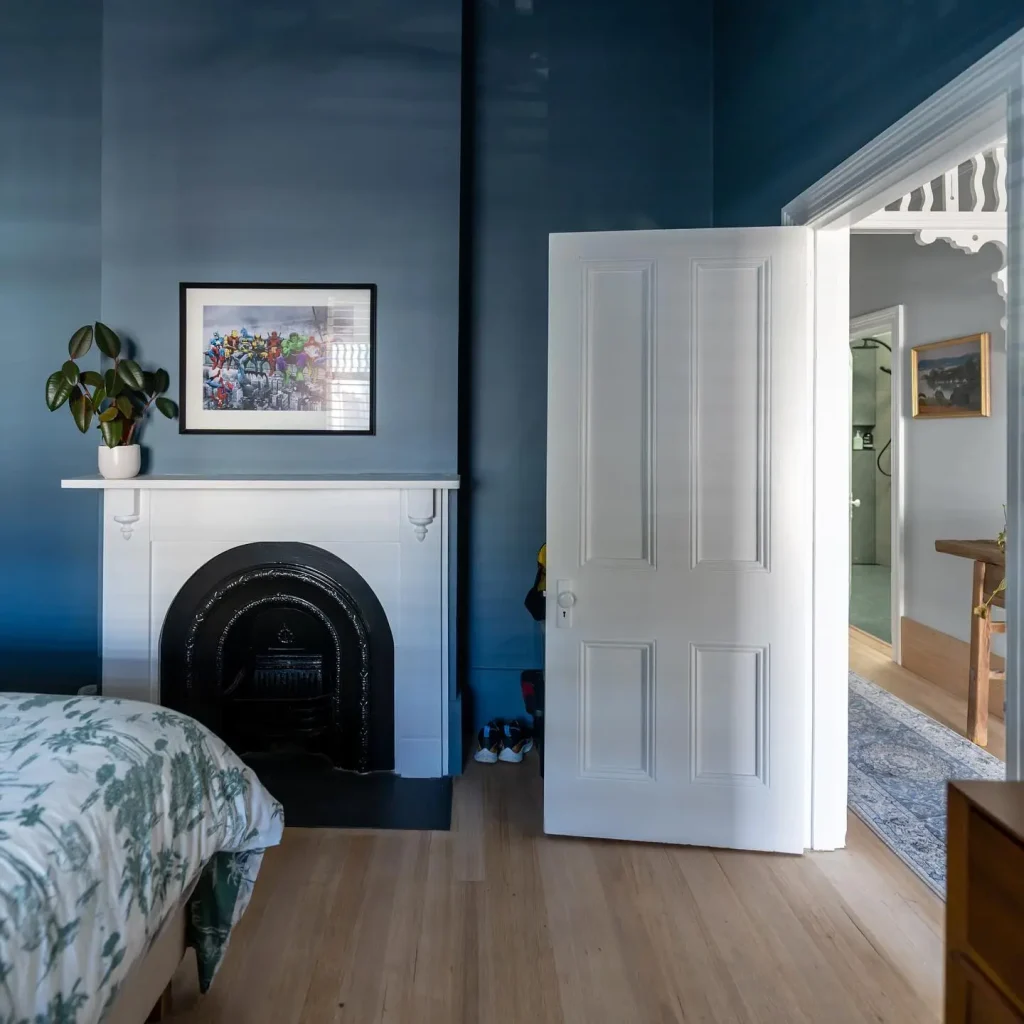
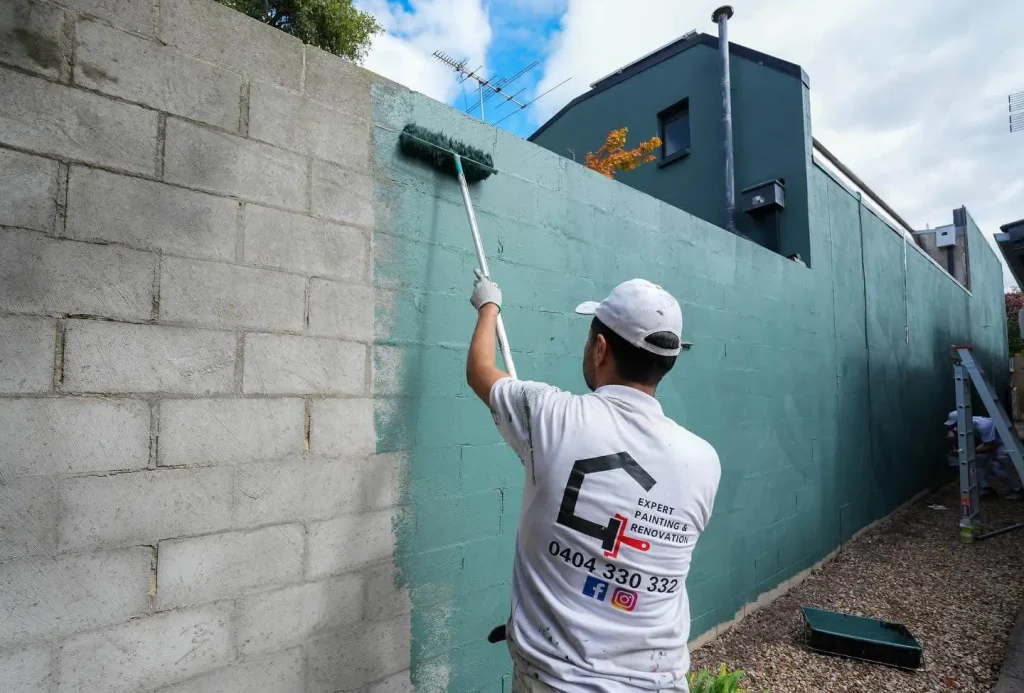
- Walls. Even colour and sheen, no patches showing through, no roller texture stopping short of corners, no lap marks running vertically.
- Ceilings. Checked from the doorway. Look especially where a ceiling meets a wall of a different colour.
- Cut-in lines. Where wall meets ceiling, and around architraves. Should be straight and consistent, not wavering.
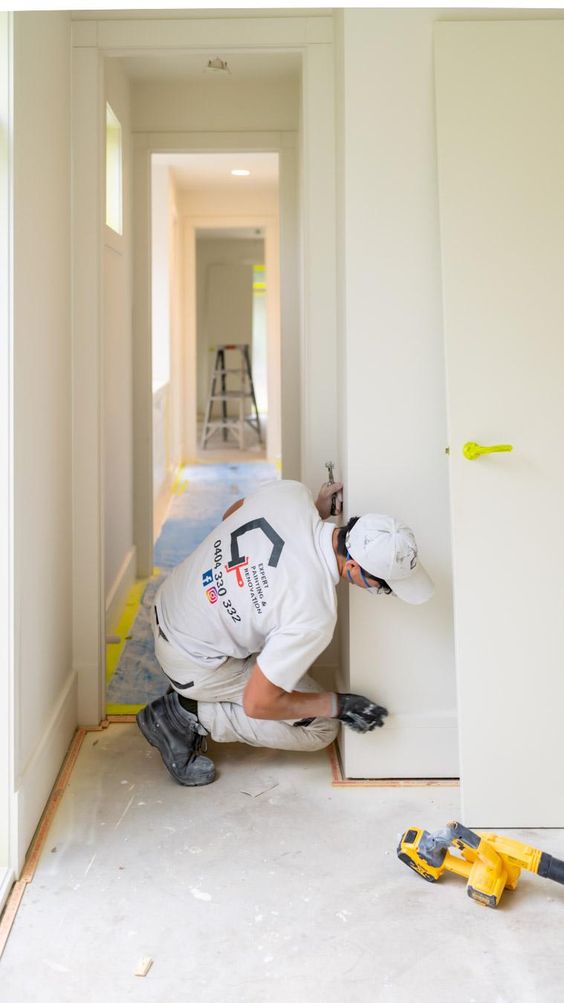
- Trim and skirtings. No runs, no visible brush marks in gloss, no grit from unsanded filler.
- Doors. Top and bottom edges painted, hinges and handles clean, no paint sealing the door to the frame.
- Windows. Sashes still open, no paint bridging the gap, glass clean.
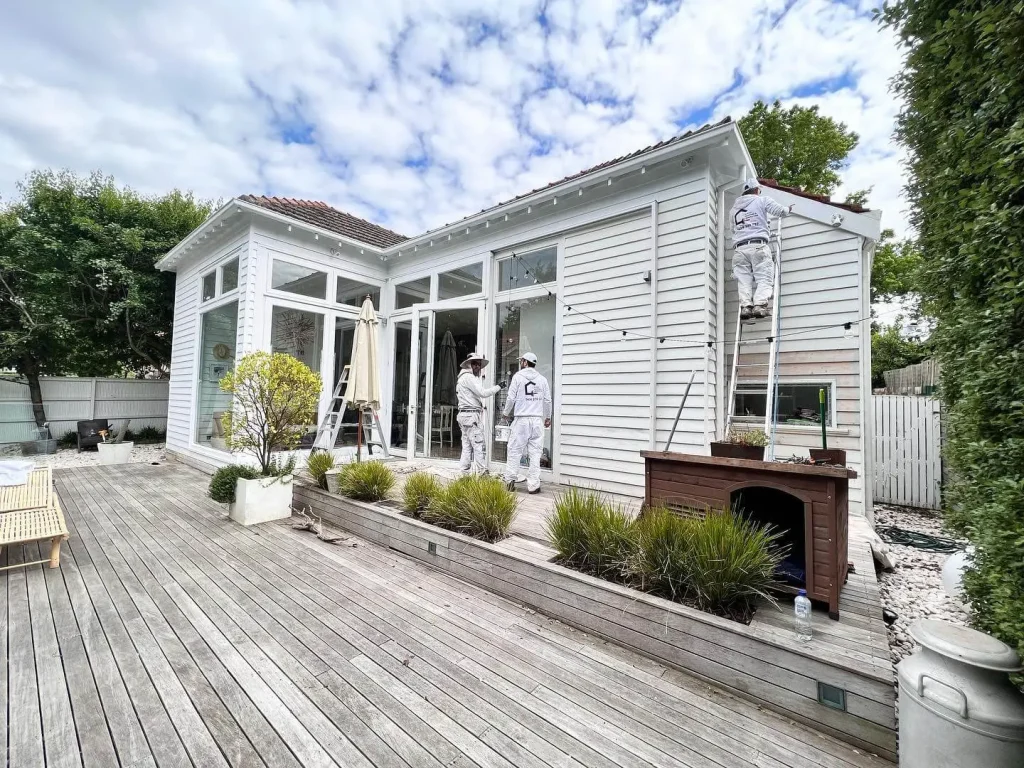
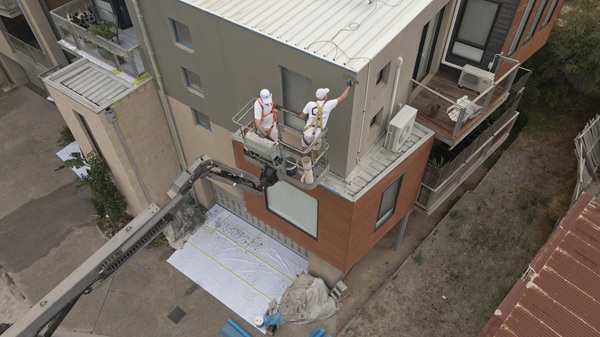
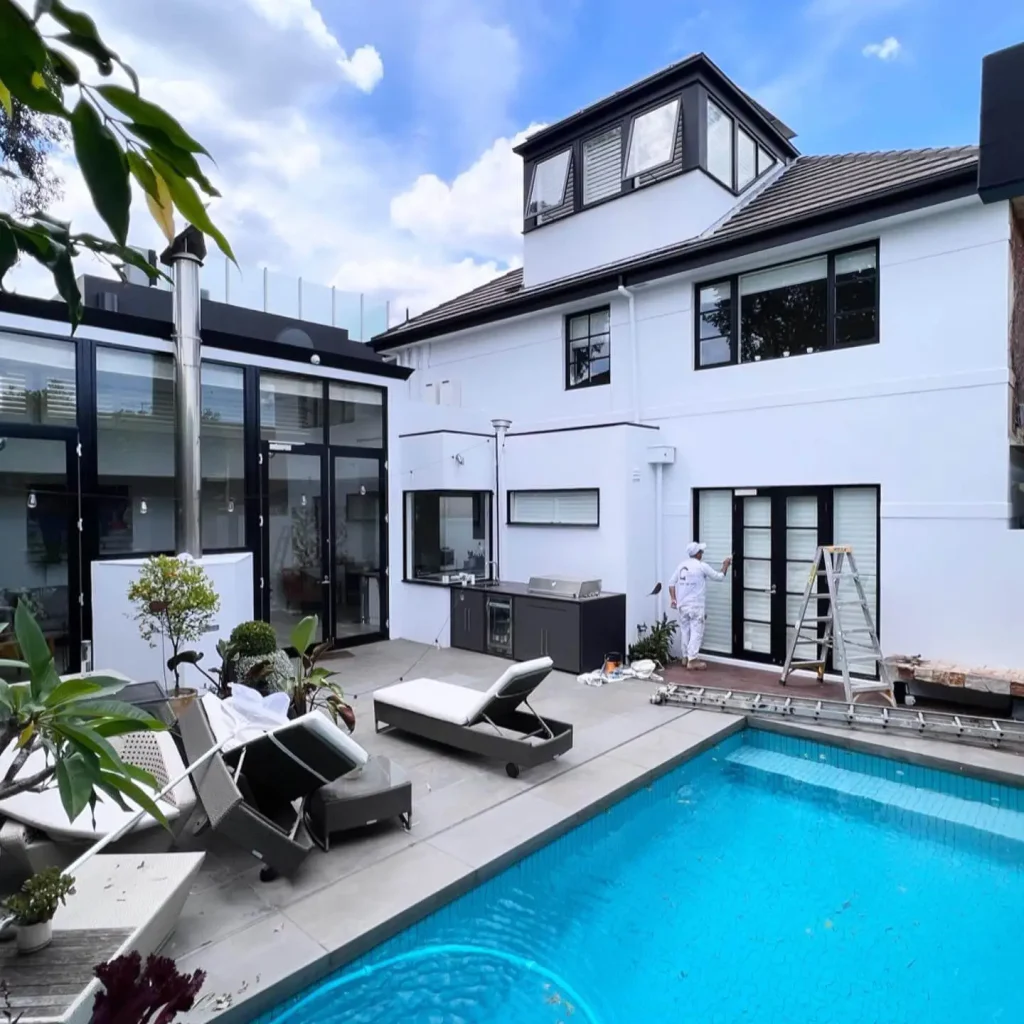
- Exterior. Under window sills, the gutter line, end grain on cut boards, and behind downpipes — the places most often missed.
- Floors and hardware. Switch plates, power points, tiles, skirting-to-floor junction.
What is reasonable, and what is nitpicking
Paint is a hand-applied finish and it is judged at normal viewing distance in normal light. That is the standard, and it cuts both ways.
Reasonable to raise: thin coverage showing the previous colour, patches flashing through, runs and sags, paint on hardware or glass, wavering cut-in lines, missed areas, overspray, damage to floors or fittings.
Not reasonable: a faint brush mark visible only with your nose against the skirting, minor texture variation on a textured ceiling, or a difference you can only see with a torch held sideways at 20cm. If you have to hunt for it in an unnatural way, it is not a defect.
The honest middle ground is the one worth agreeing in advance: the finish should look right from about a metre and a half away, in daylight.
Write the list, do not just mention it
Verbal lists get forgotten by both sides. When checking a paint job, write it down room by room, photograph each item, date it, and send it through.
Then agree a date for the return visit. Most defect lists are an hour or two of work and get done in one visit, but only if they exist in writing.
Hold the final payment until that list is cleared. This is normal and professional, not adversarial — any established painter expects it.
Touch-up or recoat?
Worth knowing before you ask for a fix, because it changes what is achievable.
On a matt or flat finish, a touch-up blends in well and spot-fixing is fine. On anything with sheen — low sheen, satin, semi-gloss — a touch-up catches the light differently and will usually be visible, so the honest fix is recoating the whole wall from corner to corner.
If a painter offers to recoat an entire wall rather than dab a spot, that is generally them doing it properly rather than overservicing.
Cleanup and what you should be left with
- Masking tape and residue removed, including from glass and floors
- Switch plates and fittings refitted
- Rubbish and old tins taken away
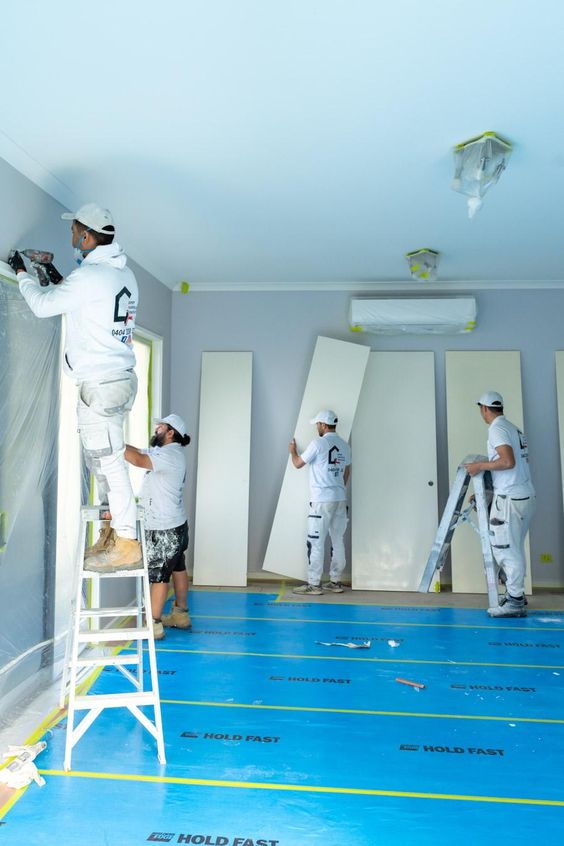
- Floors swept or vacuumed, drop sheets gone
- A labelled touch-up tin for each colour, with brand, colour name, code and sheen
That last one matters more than people realise. The colour record from the original job is the only thing that reliably matches your walls in three years, and it is far easier to get on the day than to reconstruct later.
Ask about this before you hire
A painter’s answer to “how do you handle the final check and any defects?” tells you a lot, and is worth weighing alongside how to choose a house painter near you. Someone with a clear process — daylight walkthrough, written list, return visit, final payment after — has done this before. Someone who seems surprised by the question has not.
It is worth asking at quoting stage, alongside the questions about coats, products and preparation.
We expect the walkthrough
We do the final check with you in daylight before the last invoice, and anything on the list gets sorted on a return visit. If you want painters who work that way, call 0404 330 332.
📍 Our Service Areas Across Melbourne, the Mornington Peninsula, Surf Coast & Phillip Island
Melbourne & Bayside
- Expert Painting and Renovation in Richmond
- Expert Painting and Renovation in St Kilda
- Expert Painting and Renovation in South Yarra
- Expert Painting and Renovation in Malvern
- Expert Painting and Renovation in Hawthorn
- Expert Painting and Renovation in Kew
- Expert Painting and Renovation in Balwyn
- Expert Painting and Renovation in Mount Waverley
- Expert Painting and Renovation in Ringwood
- Expert Painting and Renovation in Doncaster
- Expert Painting and Renovation in Hampton
- Expert Painting and Renovation in Frankston
- Expert Painting and Renovation in Mount Eliza
- Expert Painting and Renovation in Mornington
- Expert Painting and Renovation in Mount Martha
- Expert Painting and Renovation in Rosebud
- Expert Painting and Renovation in Sorrento
Phillip Island & Bass Coast
- Expert Painting and Renovation in Flinders
- Expert Painting and Renovation in Somers
- Expert Painting and Renovation in San Remo
- Expert Painting and Renovation in Cape Woolamai
- Expert Painting and Renovation in Cowes
- Expert Painting and Renovation in Coronet Bay
- Expert Painting and Renovation in Tootgarook
- Expert Painting and Renovation in Rye
- Expert Painting and Renovation in Blairgowrie
- Expert Painting and Renovation in Portsea
- Expert Painting and Renovation in Inverloch
- Expert Painting and Renovation in Kilcunda
- Expert Painting and Renovation in Ventnor
- Expert Painting and Renovation in Newhaven
Surf Coast & Bellarine Peninsula
- Expert Painting and Renovation in Geelong
- Expert Painting and Renovation in Torquay
- Expert Painting and Renovation in Ocean Grove
- Expert Painting and Renovation in Barwon Heads
- Expert Painting and Renovation in Anglesea
- Expert Painting and Renovation in Lorne
- Expert Painting and Renovation in Apollo Bay