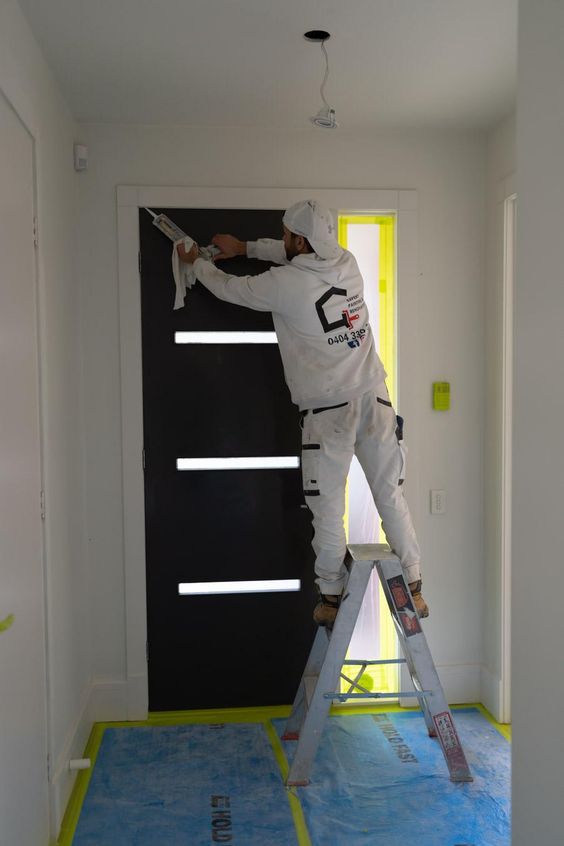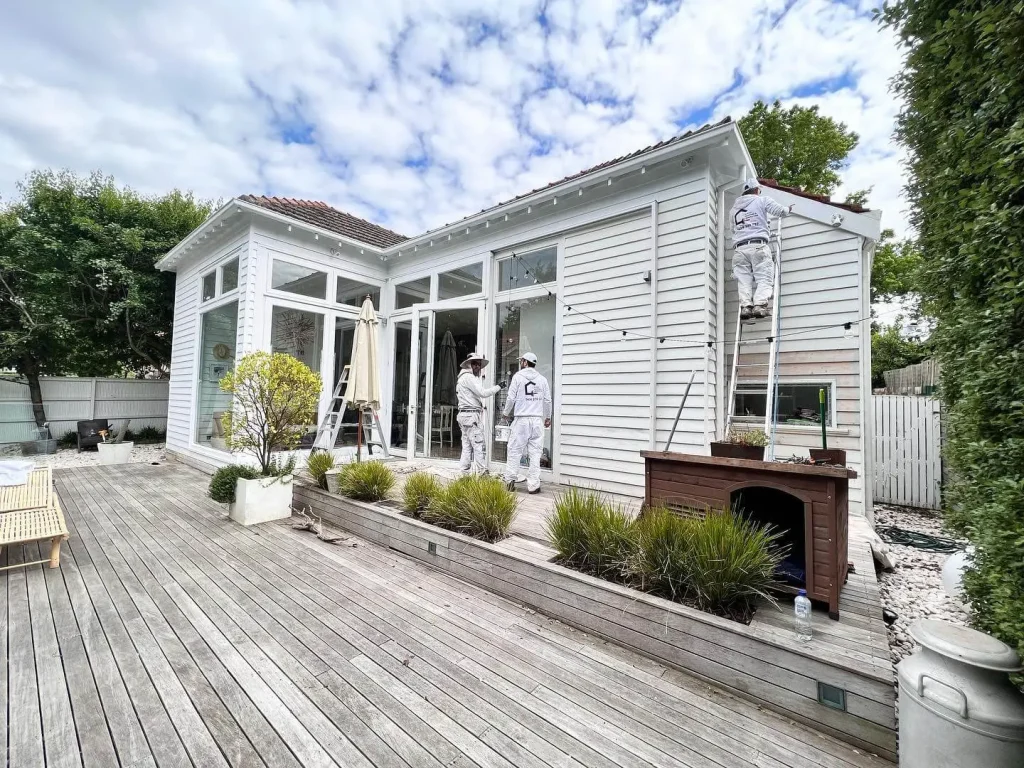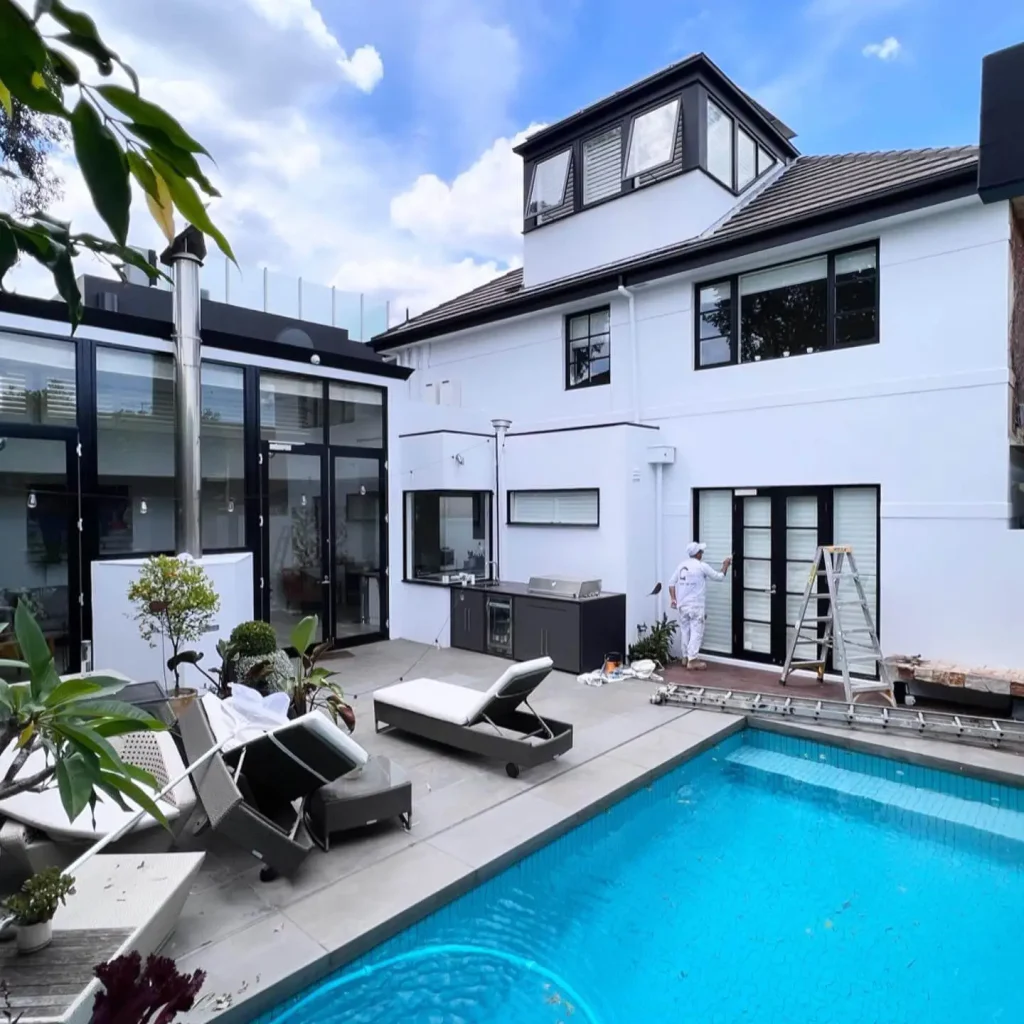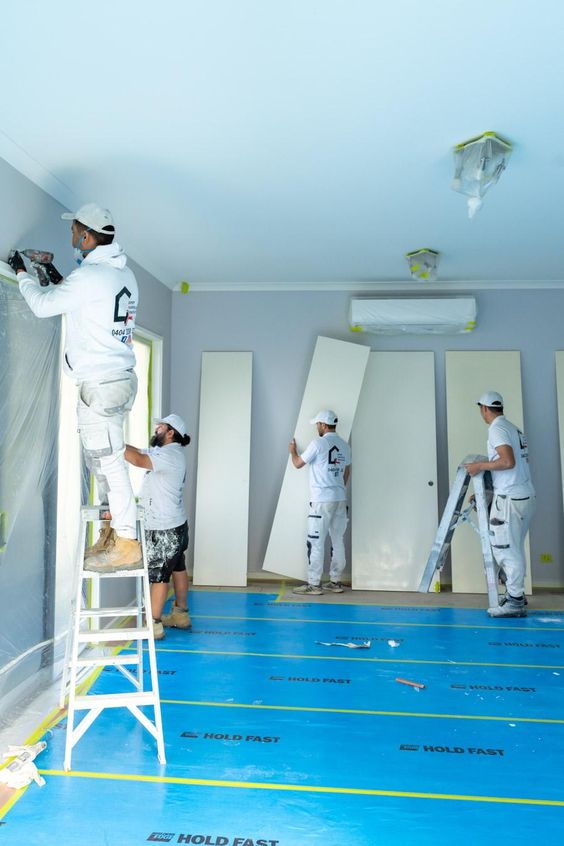

Three painters look at the same house and come back with painting quotes that differ by thousands. The usual conclusion is that one is greedy and one is a bargain. Almost always the real explanation is simpler: they have quoted three different jobs.
A painting quote is only comparable to another painting quote if both describe the same work. Here is what a complete one contains, and what it means when something is missing.
What a painting quote covers, surface by surface
The single most useful thing a painting quote can do is list surfaces separately rather than saying “paint the interior”.
- Walls, by room or by area
- Ceilings, listed separately, because they are often a different number of coats
- Trim: skirtings, architraves, door frames
- Doors, counted, and stated as one side or both
- Windows, counted, and stated as inside, outside or both
- Exterior: cladding or render, fascia and barge, eaves linings, gutters, downpipes, verandah posts and balustrade, garage door
If a surface is not named, assume it is not included. Eaves, gutters and the garage door are the three most commonly assumed-in and left-out items on an exterior job.
Preparation, described in detail
Preparation is most of the labour and nearly all of the difference between quotes. A line that reads “prepare surfaces” is not a scope, it is a word.
What a thorough quote specifies: washing or sugar-soaping, scraping and sanding back failed areas, filling holes and dents, raking out and replacing perished sealant, treating mould, spot-priming bare or stained areas, and what happens where paint is flaking back to substrate.
Two painters can both say “full preparation” and mean two days apart in labour. The detail is where the honesty is.
Products, named
A quote should state the brand, the product line and the sheen for each surface. “Premium quality paint” means nothing and commits the painter to nothing.
It should also state the primer, sealer or undercoat going onto bare, patched or glossy surfaces, because that is a separate product and a separate cost.
Number of coats, per surface
Two coats over sound existing paint is the standard. Bare substrates, strong colour changes and heavily patched walls often need three.
A painting quote should say how many coats each surface gets, and what happens if a colour does not cover in the stated number — specifically, who pays for the extra coat.
Access and equipment
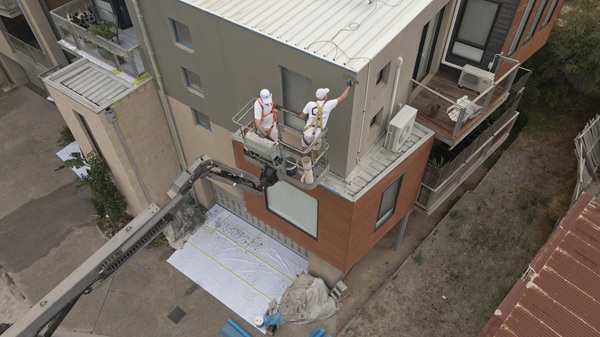
On anything above single storey, access is a real cost and belongs on its own line: scaffold, elevated work platform, or staged trestle work, and how long it is on site.
If access is bundled invisibly into a square metre rate, you cannot compare it, and it is the line most likely to reappear later as a variation.
Exclusions, which is the section most quotes skip
A good painting quote tells you what it does not cover. Common and reasonable exclusions include timber repair or carpentry discovered once paint comes off, rot or rust remediation, lead paint handling, asbestos, rendering repairs beyond minor patching, and electrical work to remove and refit fittings.
Nobody can see inside a wall before starting. The professional approach is to name the likely unknowns up front and say how they will be priced, not to stay silent and raise them as a surprise.
Timeline, crew and disruption
How many days, how many people, and which areas are out of use when. On an occupied house this matters as much as the money.
It should also say what gets moved and by whom, how floors and furniture are protected, and whether you need to be home.
Payment terms and variations
Expect a deposit, progress payments on longer jobs, and a final payment on completion. Be cautious about any request for a large proportion of the total before work starts — Consumer Affairs Victoria publishes current guidance on domestic building deposits and it is worth a look before you sign anything substantial.
There should also be a stated process for variations: extra work identified, priced and approved in writing before it happens. Verbal variations are where disputes come from.
How to compare three quotes properly
Do not compare the totals. Normalise the scope first.
Take the most detailed quote and use it as a checklist against the others. For each item the cheaper quotes do not mention — eaves, gutters, three coats on the ceiling, scaffold, two sides of every door — ask whether it is included. Half the gap usually closes in that conversation.
Then compare what is left. A genuine price difference between two identical scopes is worth having. A difference created by one painter quoting less work is not a saving.
Red flags
- A single lump sum with no breakdown at all
- Preparation described in one or two words
- No products named
- No number of coats stated
- No exclusions listed
- Pressure to decide immediately, or a discount that expires today
- A deposit demand well out of line with the size of the job
- No written quote at all
What we put in writing
Our quotes list every surface separately, name the products and the number of coats on each, price access as its own line, and state exclusions plainly. If you have two other quotes and want help working out what they actually cover, call 0404 330 332 and bring them with you.
📍 Our Service Areas Across Melbourne, the Mornington Peninsula, Surf Coast & Phillip Island
Melbourne & Bayside
- Expert Painting and Renovation in Richmond
- Expert Painting and Renovation in St Kilda
- Expert Painting and Renovation in South Yarra
- Expert Painting and Renovation in Malvern
- Expert Painting and Renovation in Hawthorn
- Expert Painting and Renovation in Kew
- Expert Painting and Renovation in Balwyn
- Expert Painting and Renovation in Mount Waverley
- Expert Painting and Renovation in Ringwood
- Expert Painting and Renovation in Doncaster
- Expert Painting and Renovation in Hampton
- Expert Painting and Renovation in Frankston
- Expert Painting and Renovation in Mount Eliza
- Expert Painting and Renovation in Mornington
- Expert Painting and Renovation in Mount Martha
- Expert Painting and Renovation in Rosebud
- Expert Painting and Renovation in Sorrento
Phillip Island & Bass Coast
- Expert Painting and Renovation in Flinders
- Expert Painting and Renovation in Somers
- Expert Painting and Renovation in San Remo
- Expert Painting and Renovation in Cape Woolamai
- Expert Painting and Renovation in Cowes
- Expert Painting and Renovation in Coronet Bay
- Expert Painting and Renovation in Tootgarook
- Expert Painting and Renovation in Rye
- Expert Painting and Renovation in Blairgowrie
- Expert Painting and Renovation in Portsea
- Expert Painting and Renovation in Inverloch
- Expert Painting and Renovation in Kilcunda
- Expert Painting and Renovation in Ventnor
- Expert Painting and Renovation in Newhaven
Surf Coast & Bellarine Peninsula
- Expert Painting and Renovation in Geelong
- Expert Painting and Renovation in Torquay
- Expert Painting and Renovation in Ocean Grove
- Expert Painting and Renovation in Barwon Heads
- Expert Painting and Renovation in Anglesea
- Expert Painting and Renovation in Lorne
- Expert Painting and Renovation in Apollo Bay