

Three plasterers quote the same room and come back with three very different numbers. Usually that is not one of them being greedy. It is that they have quoted three different jobs.
Plastering covers work that ranges from filling a crack to re-sheeting a ceiling, and unless the quote says which one it is, the numbers are not comparable.
First, which kind of plastering is it?
Three different trades get called plastering in Melbourne, and they price completely differently:
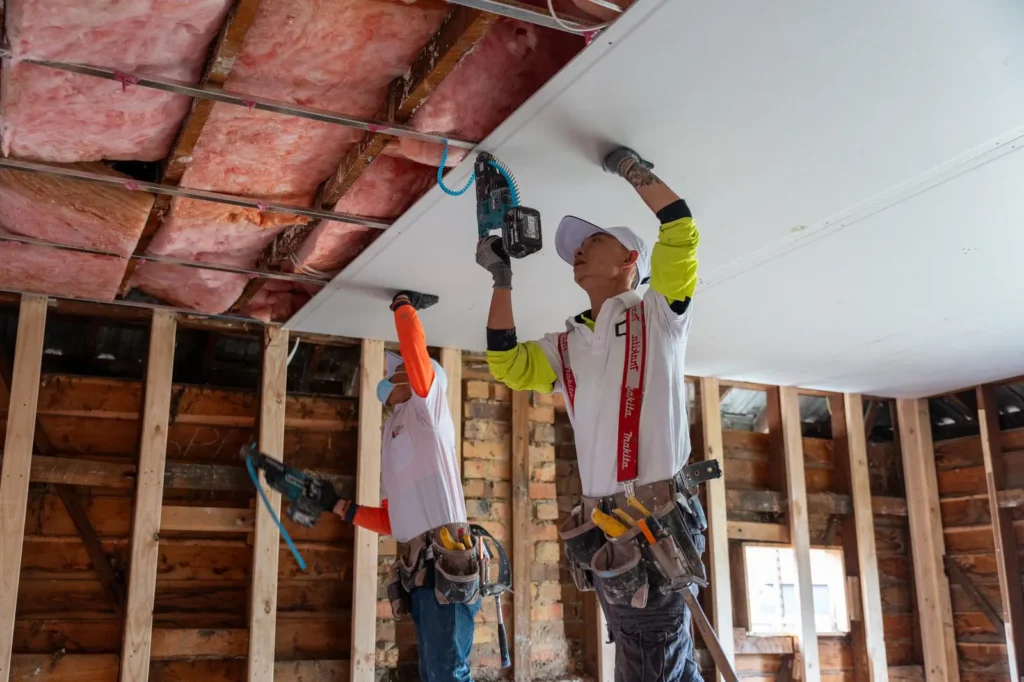
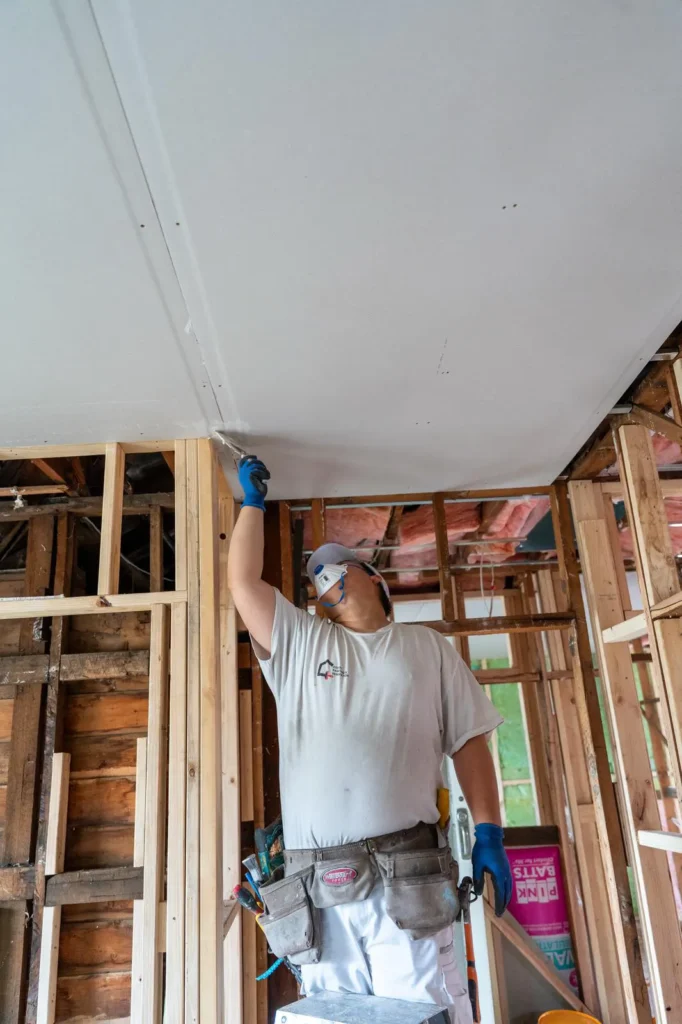
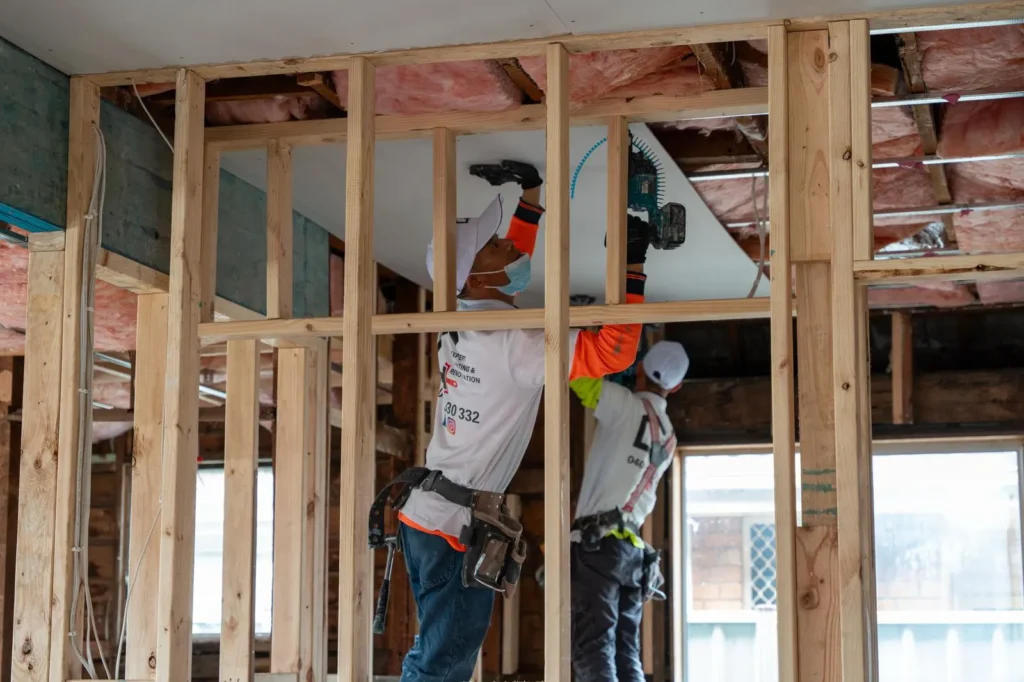
- Plasterboard work. Hanging new sheets, setting joints, running cornice. New builds, extensions, re-sheeting
- Repair and patching. Cracks, holes, water damage, matching an existing surface
- Solid plaster and render. Traditional hard-wall plaster on masonry, which is a different skill and a different rate. See solid plaster versus plasterboard for how to tell which you have
A quote for one is not a quote for another, and in an older Melbourne home you can have all three in the same house.
What actually drives the price
- Area, but less than you think. Square metres matter on a large new job and matter very little on a small repair
- Ceiling height. Anything above about 2.7 metres needs platforms or trestles rather than a step ladder, which changes the setup time for every coat
- Condition. A flat sound wall is quick. A wall with movement cracking, old patches and three previous repairs is slow
- New work or matching. Finishing a fresh sheet is straightforward. Making a repair invisible against an aged surface is the hard part, and it is where the hours go
- Cornice. Plain cove is routine. Ornate or period profile is a specialist job, covered in ceiling roses and decorative plaster
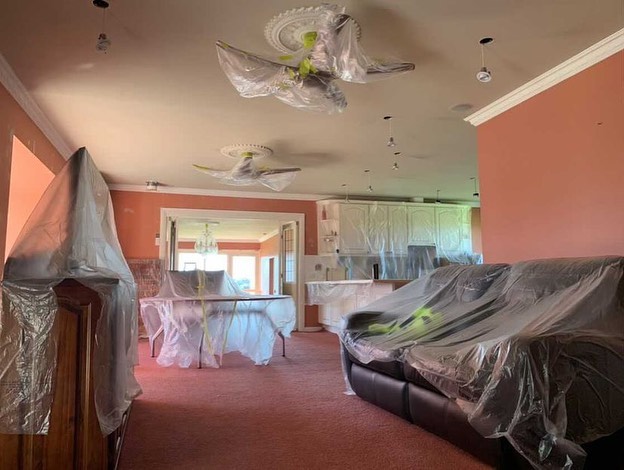
- Occupied or empty. Protection, masking, dust control and daily clean-down in a house people are living in adds real time
- Access. Narrow hallways, stairs and tight rooms slow everything down
The thing that surprises people most: coats and return visits
Jointing compound has to dry between coats. A properly finished joint is usually three applications with drying and sanding between each.
That means a small repair is not a one-hour job even when the actual plastering takes twenty minutes. It is three short visits across several days, or one visit with long waits in it. In a Melbourne winter the drying is slower again.
This is why a single small patch costs what it does, and why having five small repairs done in one visit is dramatically cheaper per repair than having them done one at a time as you notice them. If you have a list, do the list.
Why cheap plastering gets expensive
The failure mode is specific and it shows up at painting, not at plastering.
An underfinished joint or patch looks acceptable in raw plaster. Once it is sealed and painted, the different porosity and the slight ridges catch the light, and you see every one of them in raking sun. At that point the fix is not touching up the paint. It is going back to the plaster, redoing it, and repainting the whole wall.
So the saving on the plastering gets spent twice over on the paint. Our guide to paint failures covers how flashing and patchy sheen show up.
What a plastering quote should tell you
- Which rooms and which surfaces, specifically
- Whether it is patch, skim or re-sheet. Those are different jobs with different prices, and patch or re-sheet explains when each applies
- How many coats of compound, and whether sanding is included
- Dust control and protection of floors and furniture
- Whether cornice is included and what profile
- Who removes the waste
- Whether painting is included or separate, and if separate, what state the surface will be left in
A quote that says “plaster repairs as required” tells you nothing and cannot be compared against anything.
Repair or replace?
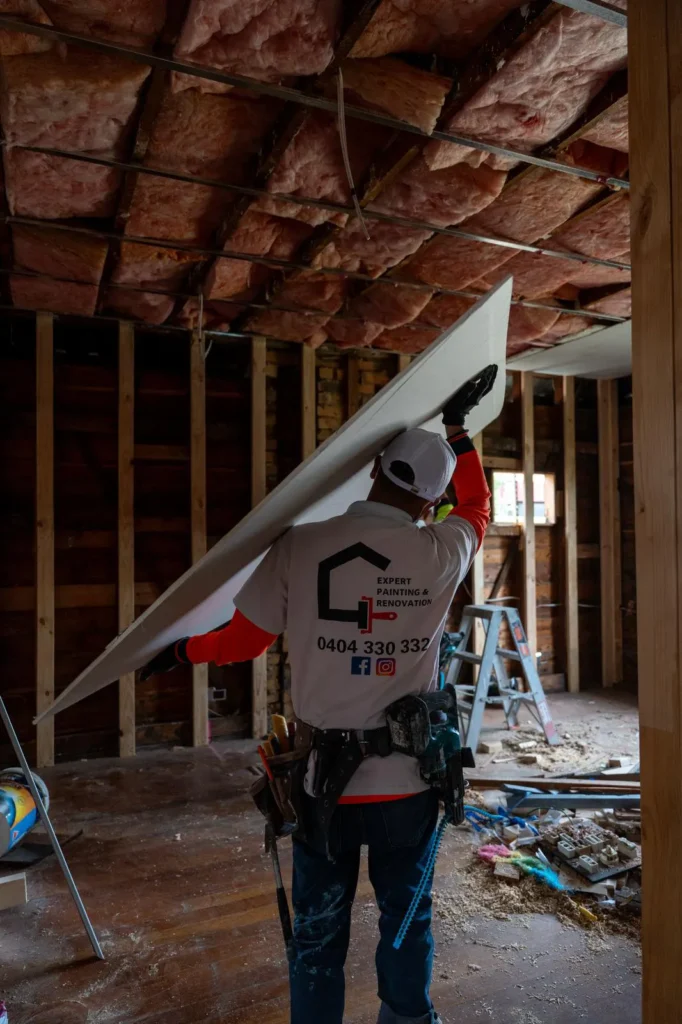
Sometimes patching is the wrong answer entirely. Where a sheet has sagged, lost its paper, been water damaged, or has more patches than original surface, replacing it costs less than repeatedly repairing it and looks better afterwards.
For water damage specifically, the sequence matters and the plaster is the last step, not the first. See water damage repaints.
Cracks are a separate question
Before paying anyone to fill cracks, work out whether they are still moving. A stable cosmetic crack is a straightforward repair. An active one will reopen and the money is wasted.
Our guide to plaster cracks covers the interior test, and render cracks covers exterior, including when it needs an engineer rather than a plasterer.
Where a flat finish is not enough
If the walls are going to take a low-sheen or satin paint, or they catch strong side light, patching alone often will not do it and the wall needs skimming. That is covered in skim coating and wall finish levels.
What we do
- Plasterboard, patching and solid plaster repair
- Quotes that itemise which surfaces and which method, so you can compare
- Small repairs batched into one visit rather than priced individually
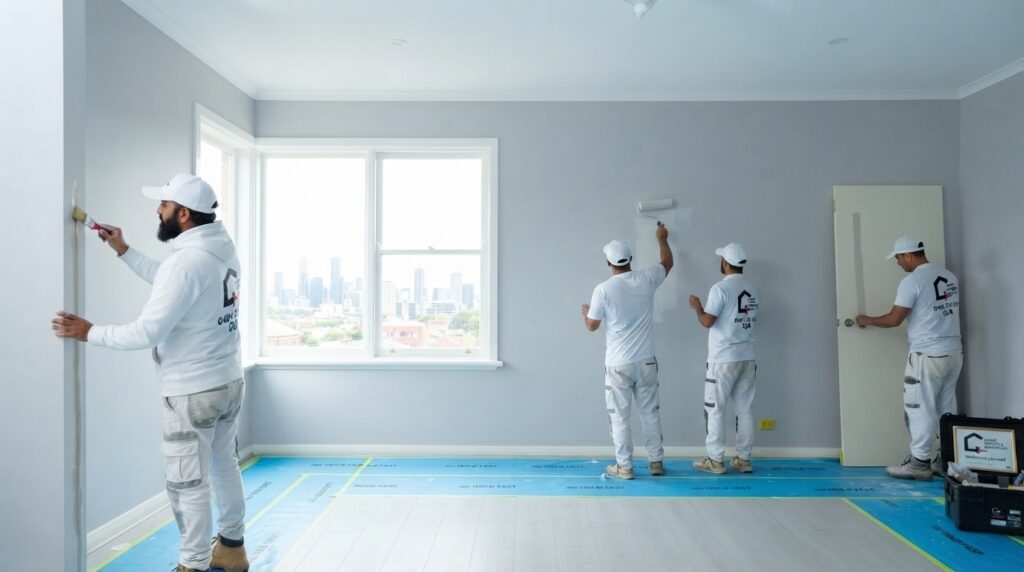
- Plastering and painting handled together, so nobody argues about whose defect it is
- Honest advice on when a sheet should be replaced rather than repaired
We are based in Richmond and work across Melbourne, the bayside suburbs and coastal Victoria. Our full guide to plastering services in Melbourne covers the work itself.
Call 0404 330 332. If you have several small repairs, write the list before you ring. It is the single easiest way to reduce what it costs.
📍 Our Service Areas Across Melbourne, the Mornington Peninsula, Surf Coast & Phillip Island
Melbourne & Bayside
- Expert Painting and Renovation in Richmond
- Expert Painting and Renovation in St Kilda
- Expert Painting and Renovation in South Yarra
- Expert Painting and Renovation in Malvern
- Expert Painting and Renovation in Hawthorn
- Expert Painting and Renovation in Kew
- Expert Painting and Renovation in Balwyn
- Expert Painting and Renovation in Mount Waverley
- Expert Painting and Renovation in Ringwood
- Expert Painting and Renovation in Doncaster
- Expert Painting and Renovation in Hampton
- Expert Painting and Renovation in Frankston
- Expert Painting and Renovation in Mount Eliza
- Expert Painting and Renovation in Mornington
- Expert Painting and Renovation in Mount Martha
- Expert Painting and Renovation in Rosebud
- Expert Painting and Renovation in Sorrento
Phillip Island & Bass Coast
- Expert Painting and Renovation in Flinders
- Expert Painting and Renovation in Somers
- Expert Painting and Renovation in San Remo
- Expert Painting and Renovation in Cape Woolamai
- Expert Painting and Renovation in Cowes
- Expert Painting and Renovation in Coronet Bay
- Expert Painting and Renovation in Tootgarook
- Expert Painting and Renovation in Rye
- Expert Painting and Renovation in Blairgowrie
- Expert Painting and Renovation in Portsea
- Expert Painting and Renovation in Inverloch
- Expert Painting and Renovation in Kilcunda
- Expert Painting and Renovation in Ventnor
- Expert Painting and Renovation in Newhaven
Surf Coast & Bellarine Peninsula
- Expert Painting and Renovation in Geelong
- Expert Painting and Renovation in Torquay
- Expert Painting and Renovation in Ocean Grove
- Expert Painting and Renovation in Barwon Heads
- Expert Painting and Renovation in Anglesea
- Expert Painting and Renovation in Lorne
- Expert Painting and Renovation in Apollo Bay