

A wall gets patched, sanded and painted. It looks fine on handover. Then in the late afternoon the sun comes across it at a low angle and suddenly you can see every joint, every patch and every fastener.
Nobody did anything wrong. The wall was finished to a standard that is perfectly adequate for most situations, and then put in a situation it was not adequate for.
What skimming actually is
Patching treats the damaged spots. Skimming treats the whole surface: a thin coat of compound applied across the entire wall or ceiling, then sanded flat, so there is one continuous uniform surface rather than repairs sitting within an older one.
It is the difference between fixing the problems and removing the evidence that there ever were any.
When patching is enough
Most of the time, honestly. Patching is the right call when:
- The wall will take a flat or matt paint, which scatters light and hides minor variation
- The room has even, diffuse light rather than strong side light
- The wall is broken up by furniture, pictures, windows or joinery
- The damage is isolated rather than spread across the surface
Skimming a wall that did not need it is money spent on something nobody will ever see.
When you need a skim
The triggers are about light and sheen, not about damage:
- Raking light. A window at one end of a wall, a downlight close to the surface, or a long hallway lit from one end. Low-angle light turns a two-millimetre variation into a visible shadow
- Low sheen, satin or gloss paint. Any sheen reflects, and reflection reveals. Flat paint forgives, satin does not
- Dark colours. Deep tones show surface variation far more than pale ones
- Large unbroken walls. A feature wall with nothing on it has nowhere to hide
- After wallpaper removal, where the surface is almost always damaged and uneven
- Over old texture or stipple, where the choice is skim it flat or live with it
- Walls with many previous repairs, where there is more patch than original surface
If two or more of those apply, skim it. If none do, do not.
Levels of finish are a real thing
Plasterboard finishing in Australia is defined by levels, set out in the relevant Australian standard, running from a basic taped joint through to a fully skimmed surface.
Most residential work is finished to the standard level, which is entirely correct for walls taking a flat paint under normal light. The highest level, where the whole surface is skimmed, is specified for critical lighting conditions and higher-sheen paints.
The practical point is that this is a specification decision made before the plasterer starts, not a complaint to make afterwards. If you know a wall is going to take satin paint under a west-facing window, say so at quoting stage. Asking for it after the wall is painted means redoing the plaster and the paint.
What it involves
- The surface is cleaned and any genuine damage repaired first
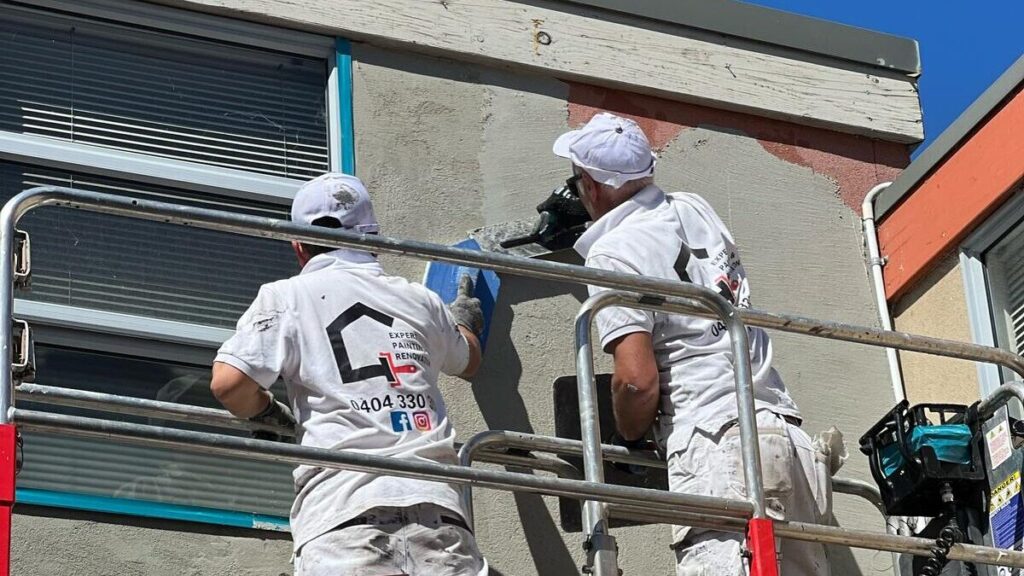
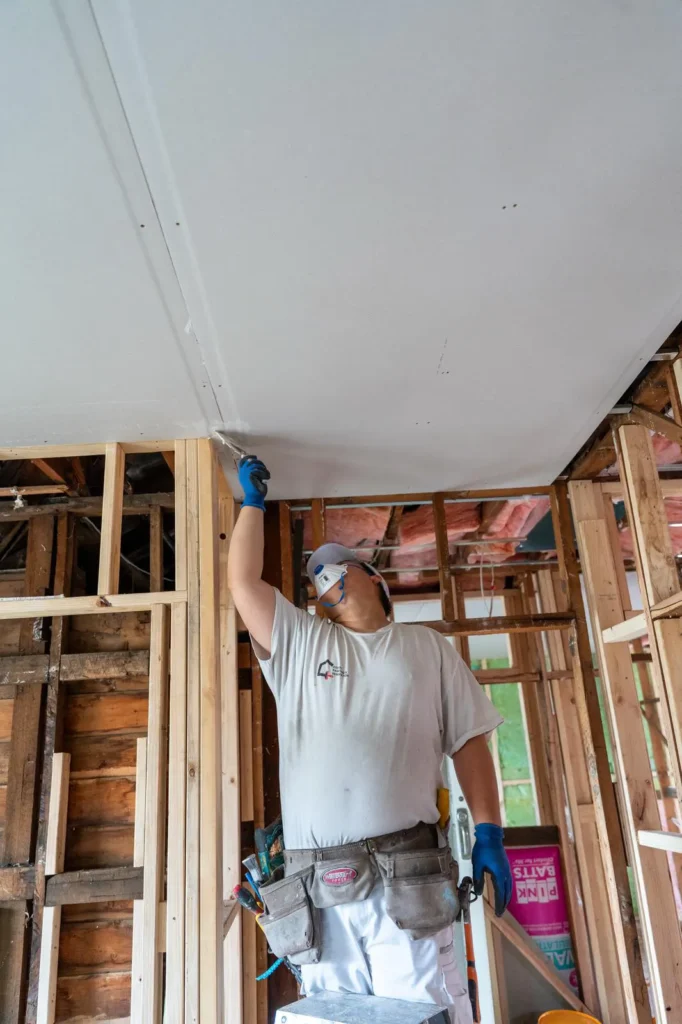
- Compound is applied across the whole area, usually in two or more passes
- Each pass dries before the next, so this is days rather than hours
- The whole surface is sanded flat, which produces a very large amount of fine dust
- A sealer goes on before any topcoat, because fresh compound and existing paint absorb completely differently
That sealer step is not optional. Skip it and the skimmed areas flash through the topcoat, which defeats the entire purpose.
The dust is the part people underestimate
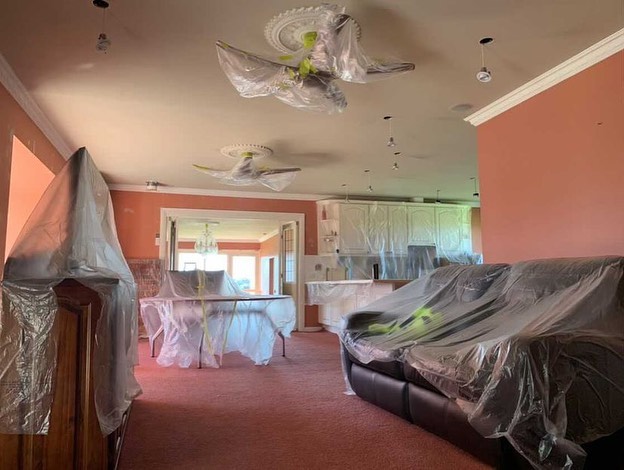
Sanding a full room of compound generates fine dust that gets everywhere, including into rooms you sealed off and through the house if nobody has thought about it.
Proper work means dust-extracted sanders rather than open sanding, physical barriers rather than a sheet taped over a doorway, and a full clean-down at the end of each day. In an occupied house this is a significant part of the job and should be in the quote.
When skimming will not fix it
Be clear about the limits:
- If the wall is structurally out of plane, bowed or twisted, skimming will not straighten it. That is a lining or framing issue
- If there is active movement, the cracking will come back through
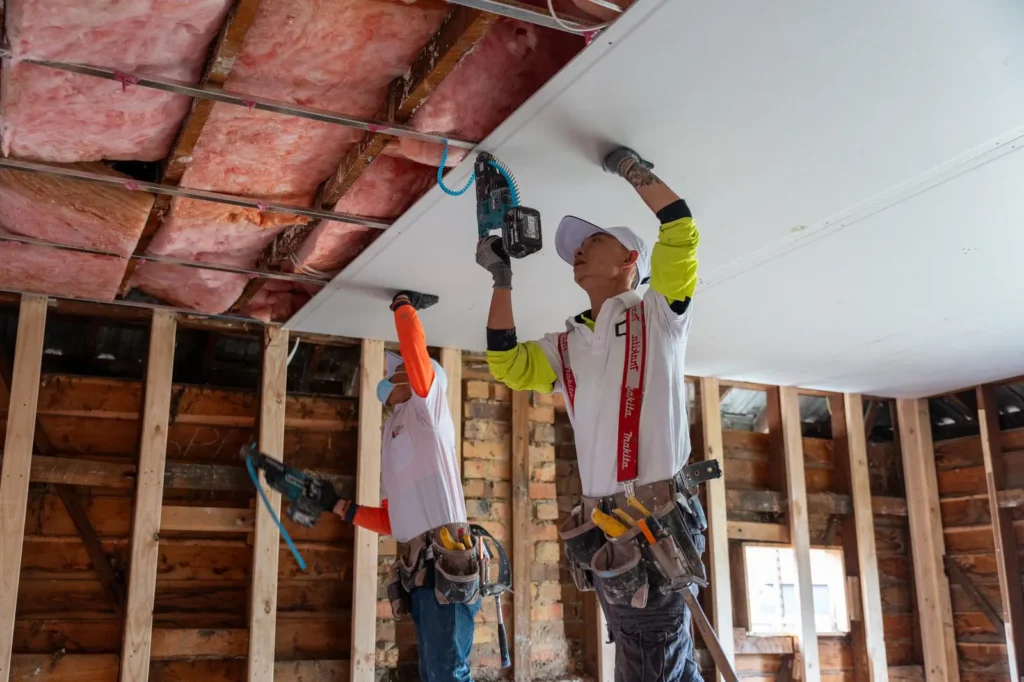
- If the sheet is damaged, sagging or water affected, it needs replacing
- If there is moisture coming through, nothing applied to the surface will hold
The cheaper alternative, honestly
If the budget will not stretch to skimming, the pragmatic answer is to change the paint rather than the wall: a flat or matt finish in that room instead of a low sheen. It hides variation, it costs nothing extra, and it is the trade-off most people would choose if anyone offered it to them.
The trade-off is washability, which matters in hallways and kids rooms and matters very little in a formal living room or bedroom.
What we do
- Assess whether a wall genuinely needs skimming before quoting it
- Full skim coats with proper sealing before topcoats
- Dust-extracted sanding and containment in occupied homes
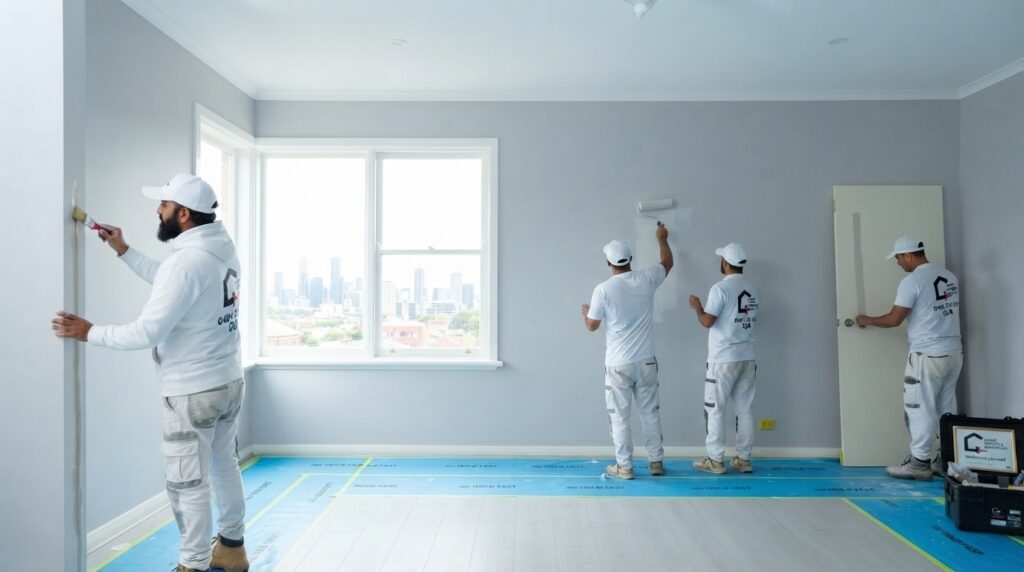
- Plastering and painting as one job, so the finish is specified against the paint that is actually going on it
- Honest advice when a change of sheen would solve it for nothing
We are based in Richmond and work across Melbourne, the bayside suburbs and coastal Victoria.
Call 0404 330 332. Tell us which way the windows face and what sheen you want, and we can tell you whether the wall needs skimming before anyone sees it.
Related reading
- Paint sheen guide
- Removing wallpaper before painting
- Why paint bubbles, peels and cracks
- Plaster cracks
- Patch or re-sheet plasterboard
- Plastering cost in Melbourne
📍 Our Service Areas Across Melbourne, the Mornington Peninsula, Surf Coast & Phillip Island
Melbourne & Bayside
- Expert Painting and Renovation in Richmond
- Expert Painting and Renovation in St Kilda
- Expert Painting and Renovation in South Yarra
- Expert Painting and Renovation in Malvern
- Expert Painting and Renovation in Hawthorn
- Expert Painting and Renovation in Kew
- Expert Painting and Renovation in Balwyn
- Expert Painting and Renovation in Mount Waverley
- Expert Painting and Renovation in Ringwood
- Expert Painting and Renovation in Doncaster
- Expert Painting and Renovation in Hampton
- Expert Painting and Renovation in Frankston
- Expert Painting and Renovation in Mount Eliza
- Expert Painting and Renovation in Mornington
- Expert Painting and Renovation in Mount Martha
- Expert Painting and Renovation in Rosebud
- Expert Painting and Renovation in Sorrento
Phillip Island & Bass Coast
- Expert Painting and Renovation in Flinders
- Expert Painting and Renovation in Somers
- Expert Painting and Renovation in San Remo
- Expert Painting and Renovation in Cape Woolamai
- Expert Painting and Renovation in Cowes
- Expert Painting and Renovation in Coronet Bay
- Expert Painting and Renovation in Tootgarook
- Expert Painting and Renovation in Rye
- Expert Painting and Renovation in Blairgowrie
- Expert Painting and Renovation in Portsea
- Expert Painting and Renovation in Inverloch
- Expert Painting and Renovation in Kilcunda
- Expert Painting and Renovation in Ventnor
- Expert Painting and Renovation in Newhaven
Surf Coast & Bellarine Peninsula
- Expert Painting and Renovation in Geelong
- Expert Painting and Renovation in Torquay
- Expert Painting and Renovation in Ocean Grove
- Expert Painting and Renovation in Barwon Heads
- Expert Painting and Renovation in Anglesea
- Expert Painting and Renovation in Lorne
- Expert Painting and Renovation in Apollo Bay