
For offices the Christmas shutdown is the ideal painting window, because the building empties out. For retail and hospitality it is the opposite. December and January are the busiest trading weeks of the year, closing is the most expensive thing you can do, and the work has to happen before the trade starts.
Which means the real deadline is late November.
Work backwards from when trade picks up
The sequence that works is simple and it is almost always left too late:
- Decide the scope in October, while a painter can still fit you in
- Get the facade and front-of-house done through November
- Have the venue finished, aired out and reset at least a week before your busiest trading week
- Leave anything non-urgent for the quiet stretch in February
By the first week of December most crews are either booked or committed to the shutdown jobs that start on Christmas Eve. A venue that calls on 10 December asking for a repaint before New Year is usually told no, and the ones who say yes are the ones to worry about.
If you have genuinely left it late, the shutdown is still an option for the parts of the building customers do not sit in. Our post on commercial painting over the Christmas shutdown covers how that window works.
What can be done without closing
A fair amount, if it is planned properly rather than squeezed in:
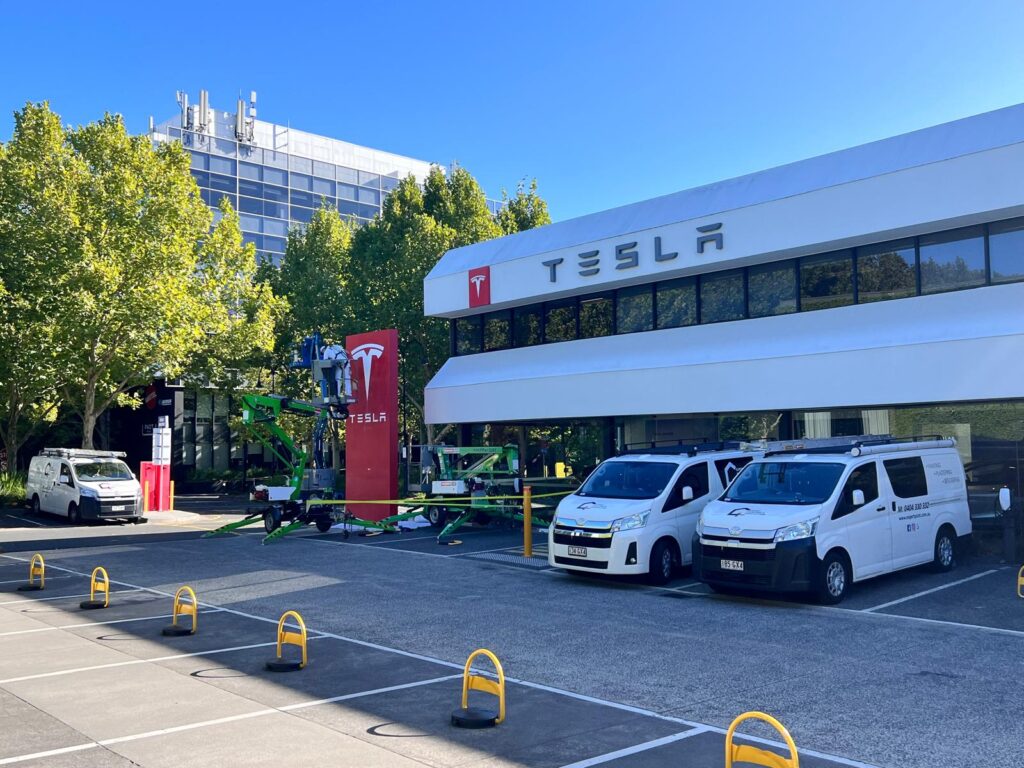
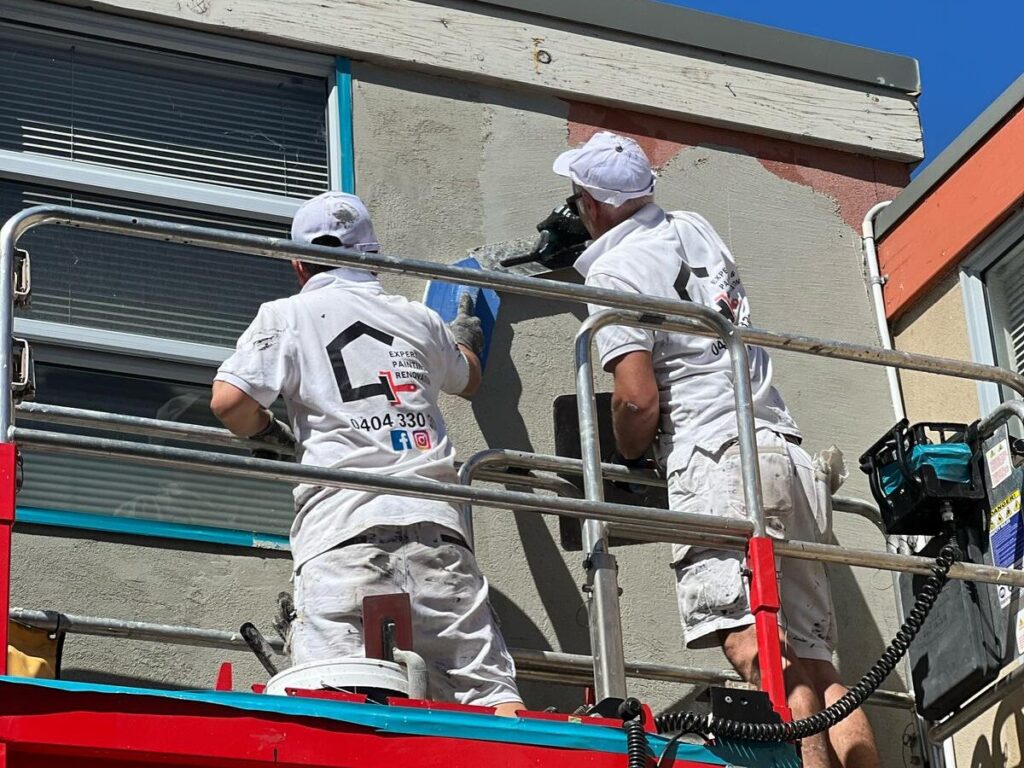
- The shopfront, facade, awning fascia and entry, worked overnight or in the early hours before opening
- Back of house: storerooms, corridors, staff areas, offices, cool room surrounds
- Toilets, done one at a time where you have more than one
- Individual walls in a dining room, sectioned off and completed between services
- Ceilings in a section of the room, overnight
The thing that makes this work is sequencing, not speed. Each night has to end with the area clean, dry, furniture back and the space fit to trade in the morning. That is slower than painting an empty room and it should be priced that way. Our commercial painting checklist sets out what to agree before anyone starts.
What genuinely needs you closed
Being straight about this saves an argument later:
- Spray finishes, which require masking the whole space and proper ventilation
- Floor coatings, which need cure time nobody can walk on
- A full repaint of a dining room or retail floor as one job rather than in sections
- Anything following significant plaster, render or carpentry repair, because the repair has to dry first
Paint and food are a scheduling problem, not just a smell problem
This is the part that catches hospitality operators out.
Even low-odour water-based paints give off a smell for a few days, and in a room where people are eating, a faint solvent note is enough to ruin a meal and earn a review you cannot delete. In a kitchen or any area where open food is handled, the timing matters more again.
What to insist on:
- Water-based, low-VOC products throughout front of house, and no solvent-based enamels in food areas during trading weeks
- Work finished with enough time to ventilate properly, not finished at 6am for a 7am open
- Open food, utensils and prep surfaces covered or removed from any area being worked in, and the area cleaned down before it returns to use
- Kitchen work scheduled for a genuine closure, not an overnight turnaround
If you are repainting a cafe or restaurant more broadly, our guide to restaurant and cafe painting in Melbourne goes into the fitout side.
Where venue paint actually fails
Commercial interiors do not wear evenly. In a busy venue the failures concentrate in a handful of places, and they are the places worth specifying properly rather than coating in the same product as the ceiling:
- Door frames, door edges and the wall beside every doorway
- Bar fronts, counter returns and anything at knee and foot height
- External corners in corridors and service runs, where trolleys and trays hit
- Kitchen and servery walls, where grease and steam break down a standard wall paint
- Wet areas and the wall behind hand basins
A washable, scrubbable finish in those zones costs a little more and lasts several times longer. Flat paint on a high-touch wall in a venue is a false economy, because it cannot be cleaned without burnishing.
Check the lease before you choose a colour
Two things get missed on shopfronts.
The first is permission. Changing the colour of a facade, awning or signage surround is often something the landlord has to approve, and in a heritage overlay it can need a council permit as well. Many of Melbourne’s retail strips are covered by one.
The second is make-good. If your lease requires the premises returned in a particular condition, repainting now in a colour of your choosing can increase what you owe at the end. It is worth reading that clause before the quote, not after. We cover it in our post on make-good painting.
If you are in a strip and the awning, signage and facade are being done together, coordinate the trades in one window. Doing them separately means closing or restricting your entry three times instead of once.
What we do for retail and hospitality
- Shopfront, facade and awning painting, worked overnight or before opening
- Interior repaints staged around trading hours
- Back of house, staff areas and amenities
- Washable and scrubbable finishes specified for high-traffic zones
- Kitchen and servery repaints scheduled around closures
- Make-good painting at end of lease
We are based in Richmond and work across Melbourne. We also handle shopfront painting in Richmond and the surrounding retail strips.
Call 0404 330 332 and tell us your trading hours and your busiest week. We will build the schedule around them.
📍 Our Service Areas Across Melbourne, the Mornington Peninsula, Surf Coast & Phillip Island
Melbourne & Bayside
- Expert Painting and Renovation in Richmond
- Expert Painting and Renovation in St Kilda
- Expert Painting and Renovation in South Yarra
- Expert Painting and Renovation in Malvern
- Expert Painting and Renovation in Hawthorn
- Expert Painting and Renovation in Kew
- Expert Painting and Renovation in Balwyn
- Expert Painting and Renovation in Mount Waverley
- Expert Painting and Renovation in Ringwood
- Expert Painting and Renovation in Doncaster
- Expert Painting and Renovation in Hampton
- Expert Painting and Renovation in Frankston
- Expert Painting and Renovation in Mount Eliza
- Expert Painting and Renovation in Mornington
- Expert Painting and Renovation in Mount Martha
- Expert Painting and Renovation in Rosebud
- Expert Painting and Renovation in Sorrento
Phillip Island & Bass Coast
- Expert Painting and Renovation in Flinders
- Expert Painting and Renovation in Somers
- Expert Painting and Renovation in San Remo
- Expert Painting and Renovation in Cape Woolamai
- Expert Painting and Renovation in Cowes
- Expert Painting and Renovation in Coronet Bay
- Expert Painting and Renovation in Tootgarook
- Expert Painting and Renovation in Rye
- Expert Painting and Renovation in Blairgowrie
- Expert Painting and Renovation in Portsea
- Expert Painting and Renovation in Inverloch
- Expert Painting and Renovation in Kilcunda
- Expert Painting and Renovation in Ventnor
- Expert Painting and Renovation in Newhaven
Surf Coast & Bellarine Peninsula
- Expert Painting and Renovation in Geelong
- Expert Painting and Renovation in Torquay
- Expert Painting and Renovation in Ocean Grove
- Expert Painting and Renovation in Barwon Heads
- Expert Painting and Renovation in Anglesea
- Expert Painting and Renovation in Lorne
- Expert Painting and Renovation in Apollo Bay