

Plastering is one of the most important steps in any renovation or construction project. Whether you’re repairing damaged walls, installing new plasterboard, or preparing surfaces for painting, timing plays a major role in achieving a smooth, flawless finish.
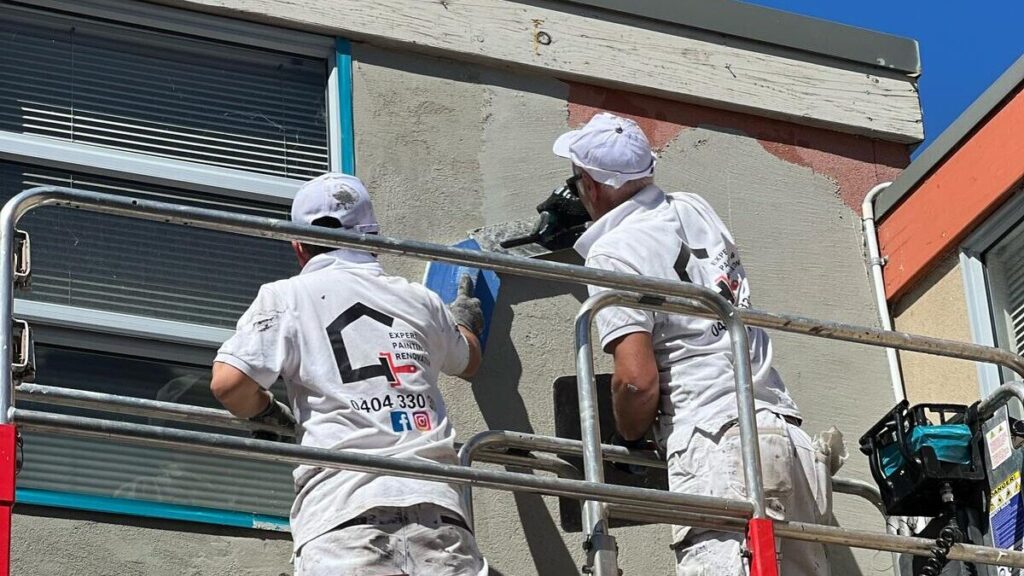
Melbourne’s weather — known for its sudden temperature swings, humidity changes and unpredictable rain — can significantly affect plaster drying times, adhesion and overall quality. Choosing the best time for plastering in Melbourne ensures your walls cure properly, stay crack‑free and are ready for painting sooner.
This guide breaks down the ideal seasons, what to avoid, and how to plan your plastering project for perfect results.
🌤️ 1. Why Timing Matters for Plastering in Melbourne
Plaster is highly sensitive to:
- Temperature
- Humidity
- Airflow
- Moisture levels
The wrong conditions can lead to:
- Cracking
- Slow drying
- Poor adhesion
- Uneven surfaces
- Mould growth
That’s why choosing the right season is essential.
🌱 2. Spring: The Best Time for Plastering in Melbourne
Spring (September–November) is widely considered the ideal season for plastering.
⭐ Why Spring Is Perfect
- Mild temperatures
- Low humidity
- Faster, even drying
- Less risk of cracking
- Ideal for both plasterboard and wet plaster
- Perfect for preparing walls before summer painting
Spring weather helps plaster cure evenly, reducing the risk of shrinkage cracks.
🍂 3. Autumn: The Second‑Best Season for Plastering
Autumn (March–May) is another excellent time for plastering in Melbourne.
⭐ Why Autumn Works Well
- Stable temperatures
- Moderate humidity
- Fewer heatwaves
- Ideal for interior renovations
- Great for plaster repairs before winter moisture
Autumn is especially good for large plastering projects, as the weather is predictable and comfortable.
☀️ 4. Summer: Good for Fast Drying — But With Risks
Summer (December–February) can be suitable for plastering, but only with caution.
⚠️ Challenges
- Heatwaves cause plaster to dry too fast
- Rapid drying = cracking
- High temperatures affect adhesion
- Air conditioning may be required
⭐ When Summer Works
- Early mornings
- Well‑ventilated interiors
- Composite plasterboard installations
- Small patch repairs
Avoid plastering during extreme heat.
🌧️ 5. Winter: The Worst Time for Plastering in Melbourne
Winter (June–August) is the least suitable season for plastering.
⚠️ Why Winter Is Not Recommended
- High humidity
- Slow drying times
- Moisture can cause mould
- Plaster may not cure properly
- Cold temperatures affect adhesion
If plastering must be done in winter, heaters and dehumidifiers are essential.
📅 6. Summary: Best Time for Plastering in Melbourne
| Season | Rating | Best For |
|---|---|---|
| Spring | ⭐⭐⭐⭐⭐ | Full plastering, repairs, renovations |
| Autumn | ⭐⭐⭐⭐ | Large projects, stable drying |
| Summer | ⭐⭐ | Small jobs, controlled environments |
| Winter | ⭐ | Avoid unless necessary |
🧩 7. FAQ — Best Time for Plastering in Melbourne
1. What is the best month for plastering in Melbourne?
October, November, March and April offer the most stable conditions.
2. Can plastering be done in winter?
Yes, but drying will be slow and may require heaters or dehumidifiers.
3. How long does plaster take to dry?
Typically 24–48 hours, depending on temperature and humidity.
4. Does weather affect plasterboard installation?
Yes — humidity and temperature can affect joint compound drying.
5. When should I plaster before painting?
Ideally in spring or autumn for the best curing conditions.
🏁 Final Thoughts
The best time for plastering in Melbourne is clearly spring, followed closely by autumn. These seasons offer the perfect balance of mild temperatures and low humidity, ensuring your plaster cures smoothly and evenly. Whether you’re renovating a single room or completing a full interior upgrade, choosing the right season will improve durability, reduce cracking and deliver a flawless finish.
If you want your walls ready for painting before summer or winter, plan your plastering project during Melbourne’s most stable weather periods.