

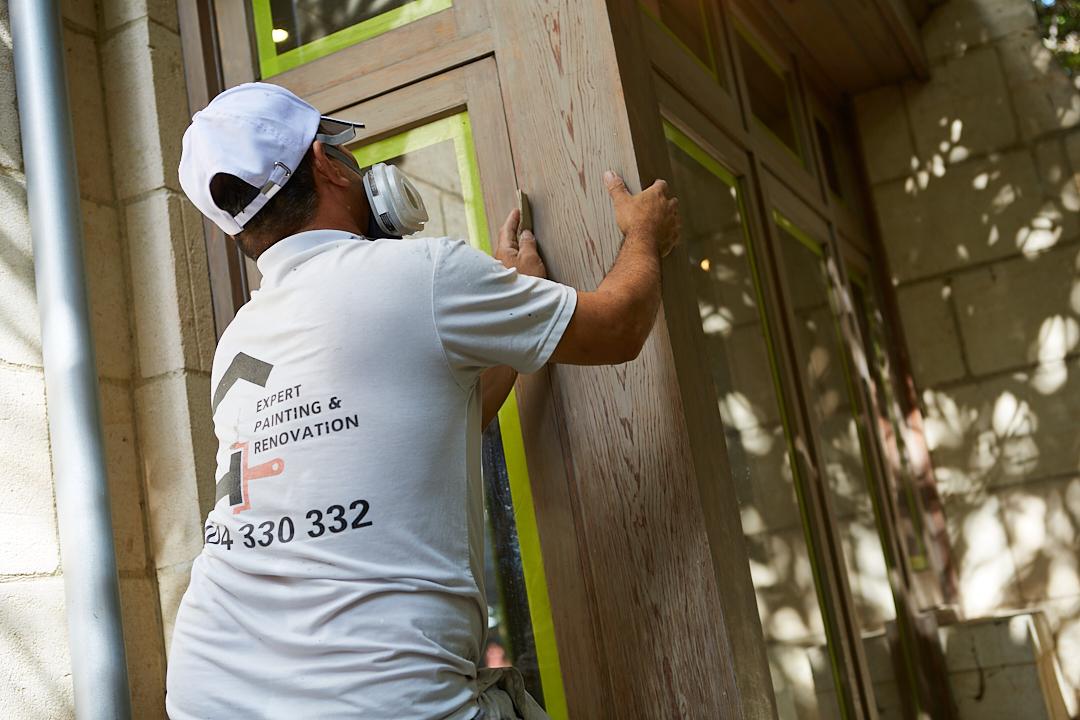
One of the most common issues faced by professional painters is removing mould from walls. Especially in rooms like bathrooms, kitchens, and rooms with poor ventilation.
Many not-so-professional painters paint over the mould to get rid of it, but professionals know that over time it will lead to stains.
Proper mould removal requires an approach backed by knowledge and experience. It requires the right process, products, and preparations.
We’ve talked to some of our local professional painters, and they taught us professional ways to get rid of mould. Below, we’ve shared all that knowledge for you.
Why You Shouldn’t Paint Over Mould
Almost all professional painters agree on one general rule: not to paint surfaces on which there is mould. Mould must be removed, killed, or sealed before applying any coat to it.
This is because even if we cover the mould with paint, the spores of mould remain active beneath. As they feed on moisture, these spores eventually start to show stains.
This is why it is not considered ideal to go for any paint work before addressing mould.
Here are detailed steps on how to remove mould:
Step 1: Use Prescribed Solutions
Professionals use only prescribed solutions rather than nasty home-made solutions to remove mould. Popular solutions include:
- For surface mould, use quality undiluted white vinegar.
- For ceilings and ground use hydrogen peroxide solutions.
- To cause long-term protection, wash surfaces with a professional fungicidal.
These prescriptions are to ensure that surfaces are ready for any painting preparations, beginning with sanding and power washing.
Step 2: Remove any Damaged Paint Surfaces
Once the mould is addressed, consider scraping flaking paint or blistering paint, then lightly sand the affected areas. This step ensures that no contaminated material remains and which will cause harm while painting.
Step 3: Letting the Surfaces Dry is not Optional
Professional painters never start to paint while the surfaces are still dry, because of any previous preparations. Try not to rush, or if needed, then use heaters or dehumidifiers to dry out the surfaces.
But the preferred way is to let it dry naturally for at least 2 days. It will prevent moisture from reactivating the mould beneath the painted surfaces.
Step 4: Sealing the surfaces with Mould-Resistant Primer is Preferred
Before painting and after removing mould with proper methods, professionals preferred to seal things with quality mould-resistant primers. This ensures that stains from not bleed through any of the future paint coats. Experts say that ignoring this step is the most common DIY mistake.
Step 5: Use the Right Paint Quality
Expert painters use quality anti-mould paints designed specifically for high-moisture areas. Experts apply two thin coats for durability to ensure long-term resistance rather than short-term improvements.
Make Sure Mould Doesn’t Come Back
One of the most common problems in mould removal is that people don’t acknowledge it to be something beyond just a painting thing.
Maintaining a good airflow is also essential, while ensuring proper ventilation, controlling condensation, and repairing leakages are not optional to care for.
By addressing all these things, you are not going to properly get rid of mould.
Why Hiring Professional Painters Matters?
A skilled professional painter is not just about painting stuff; he understands what actually mould is, how it behaves, and how to stop it.
Expert Painting & Renovations has helped hundreds of Melbourne residents to get rid of mould from their homes, once and forever.
We are not just painting; we can be your complete home makeover specialists to ensure a standard living experience. We are here to help Melbourne with almost all home renovations. Just call us, inform us about the details, and we’ll be there for you.