

Plastering repairs are one of the most important maintenance tasks for Melbourne homes. Cracks, dents, sagging ceilings, and water‑damaged plaster can make even a freshly painted room look old and neglected. Before hiring a plasterer, it’s essential to understand what causes plaster damage, how repairs work, and what to look for in a qualified professional.
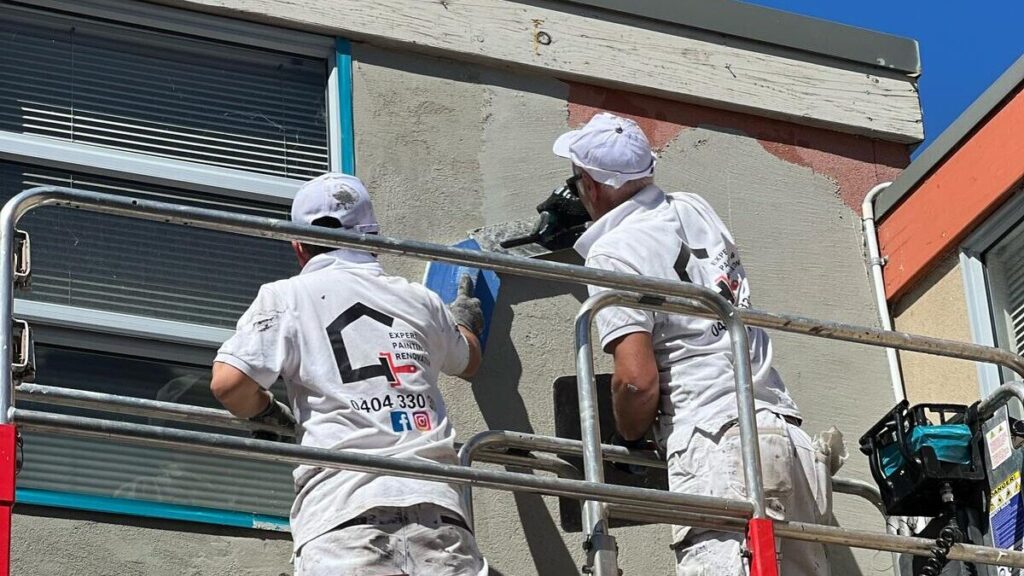
This guide covers everything Melbourne homeowners need to know before booking plastering repairs — from costs and materials to warning signs and hiring tips.
Why Plastering Repairs Matter in Melbourne Homes
Melbourne’s weather, building movement, and aging housing stock make plaster damage extremely common.
Ignoring plaster issues can lead to:
- Larger cracks
- Structural weakness
- Poor paint adhesion
- Moisture problems
- Reduced property value
Professional plastering repairs restore smooth, strong, modern‑looking walls and ceilings — essential for both comfort and resale appeal.
Common Types of Plaster Damage in Melbourne
1. Hairline Cracks
Often caused by natural building movement or temperature changes.
These are easy to repair but must be sealed properly to prevent re‑cracking.
2. Large Cracks or Holes
Usually caused by impact damage, shifting foundations, or poor previous repairs.
3. Water Damage
A major issue in older Melbourne homes.
Signs include:
- Bubbling
- Staining
- Soft or crumbly plaster
- Mould growth
Water‑damaged plaster must be removed and replaced — not patched.
4. Sagging Ceilings
A serious safety risk.
Sagging plasterboard can collapse if not repaired promptly.
5. Poor Previous Repairs
DIY patch jobs often leave bumps, uneven surfaces, or visible lines under paint.
How Professional Plastering Repairs Work
A qualified plasterer will:
- Inspect the damage
- Identify the cause (movement, moisture, impact, etc.)
- Cut out damaged sections
- Install new plasterboard if needed
- Tape, set, and sand the area
- Prepare the surface for painting
The result is a smooth, seamless finish that blends perfectly with the rest of the wall or ceiling.
How Much Do Plastering Repairs Cost in Melbourne?
While prices vary, typical Melbourne plastering repair costs include:
- Small crack repairs: $80–$160
- Hole repairs: $120–$260
- Water‑damaged sections: $300–$1,500
- Ceiling repairs: $400–$2,000+
- Full room re‑plastering: $1,100–$2,200
Factors affecting cost:
- Size of damage
- Height of ceiling
- Access difficulty
- Material type
- Whether painting is included
What to Look for When Hiring a Plasterer in Melbourne
1. Experience With Repairs (Not Just New Builds)
Repair work requires more skill than new plasterboard installation.
2. Before‑and‑After Photos
A good plasterer will proudly show their work.
3. Transparent Pricing
Avoid vague quotes — ask for itemised pricing.
4. Insurance & Qualifications
Always check for public liability insurance.
5. Clean Workmanship
Plastering can be messy — professionals protect floors and clean up properly.
6. Ability to Prepare for Painting
A perfect plaster job should be paint‑ready.
When Should You Call a Plasterer?
You should book plastering repairs if you notice:
- Cracks getting longer or wider
- Sagging ceilings
- Water stains or bubbling
- Uneven or rough surfaces
- Flaking or peeling paint
- Holes or dents
Early repairs prevent bigger, more expensive problems later.
FAQ: Plastering Repairs in Melbourne
1. What causes cracks in plaster walls?
Most cracks are caused by building movement, temperature changes, or poor previous repairs.
2. Can I paint over cracked plaster?
No — cracks will reappear. They must be repaired, sealed, and sanded before painting.
3. How long do plastering repairs take?
Small repairs take 1–2 hours, while larger repairs or ceilings may take 1–2 days including drying time.
4. Do plasterers fix water damage?
Yes. Damaged plaster must be removed, replaced, and re‑finished.
5. Is plastering messy?
Professional plasterers use drop sheets, dust control, and proper cleanup to keep your home tidy.
6. Should I repair plaster before painting?
Absolutely — painting over damaged plaster leads to poor results and wasted money.
7. How do I know if my ceiling is unsafe?
Signs include sagging, cracking, or visible separation from the joists. Call a professional immediately.